DogMatch My selection FR

Dog that doesn't bark: 8 quiet breeds

Apartment living, a noise-sensitive neighborhood, or simply a need for calm? Discover 8 naturally quiet breeds that rarely express themselves through barking.

  1. 1 Basenji
  2. 2 Afghan Hound
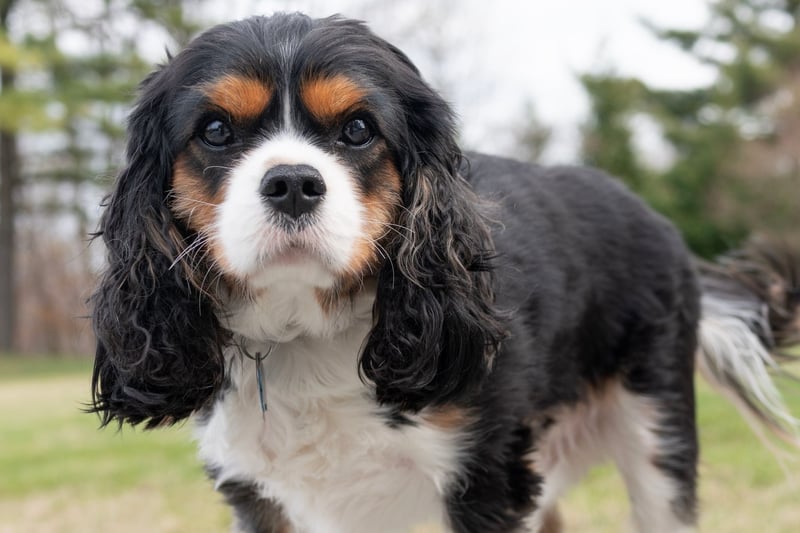
  3. 3 Cavalier King Charles Spaniel
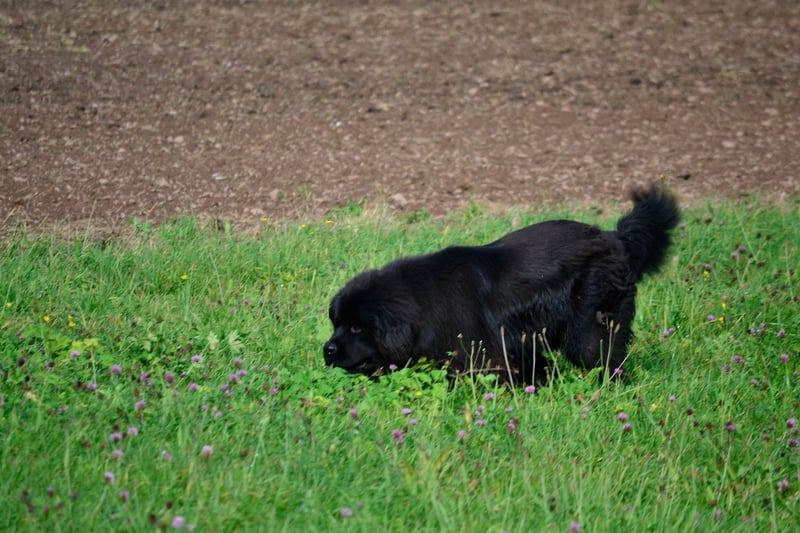
  4. 4 Newfoundland
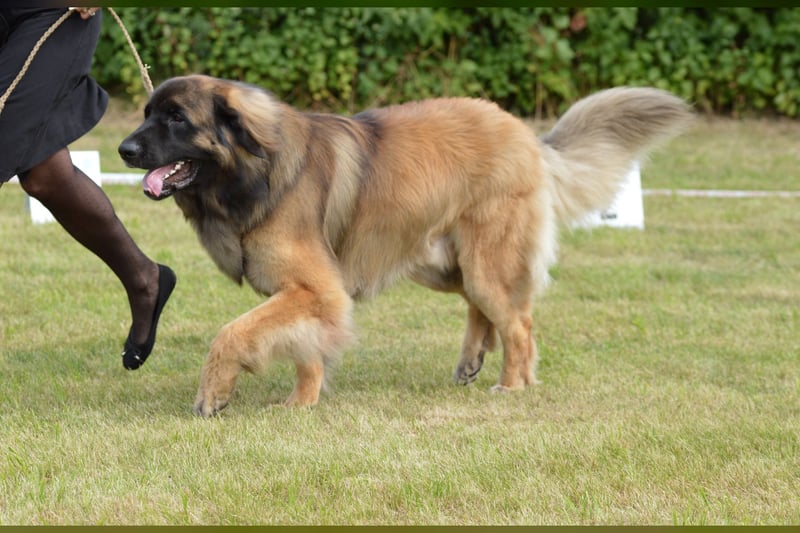
  5. 5 Leonberger
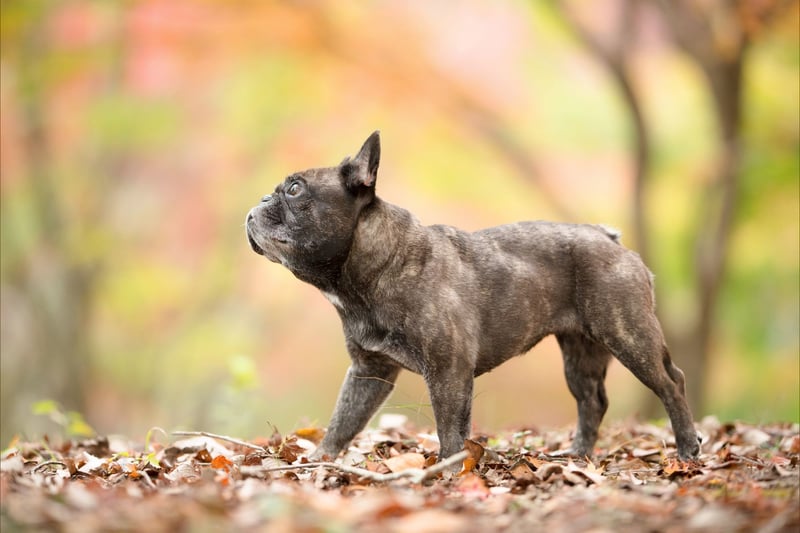
  6. 6 French Bulldog
  7. 7 Barbet
  8. 8 Bolognese

Barking is a behavior that's been selected for — or, conversely, bred down — over the centuries depending on each breed's function. Understanding why a breed barks little clarifies what you can realistically expect from it day to day. The Basenji is the only breed whose FCI standard explicitly mentions the absence of barking: the particular shape of its larynx makes it produce a low, modulated sound, called a yodel or barroo, rather than the repeated "woof" of other dogs. This silence isn't achieved through training — it's built into the breed. Sighthounds, including the Afghan Hound featured here, were selected for sight hunting: the dog chases what it sees, and giving voice during the chase serves no purpose — if anything, it gives away its position and scatters the game. The result: these breeds have a very high vocal-alarm threshold and rarely vocalize outside of strong excitement or play. Other breeds owe their composed temperament to selection for a calm presence rather than vocal alarm: the Newfoundland and the Leonberger deter by their size, not their voice. The French Bulldog, selected as an urban companion dog, is likewise not inclined to give voice — but its size deters no one, and its brachycephalic breathing constraints need to factor into the choice. One important nuance to watch: quiet doesn't mean passive. The Basenji is curious and independent; sighthounds have intense bursts of speed; the Leonberger needs space. For an apartment with sensitive neighbors or a calm residence, these breeds are a good fit — provided their own needs are planned for. An understimulated dog will eventually express itself one way or another, regardless of its vocal predisposition.

8 recommended breeds

Every portrait opens the full profile: temperament, living conditions, health, budget and cited sources.

Basenji

1

Basenji

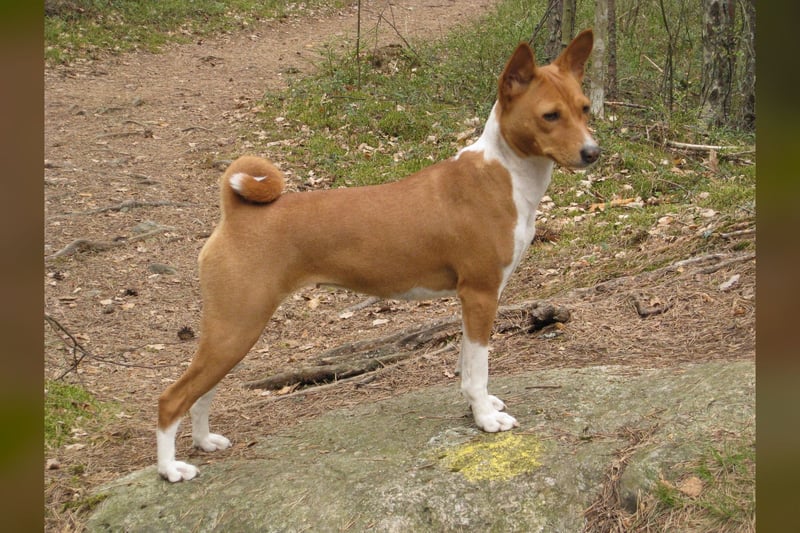
The Basenji (FCI 43, Group 5) is a primitive breed from Central Africa standing 40 to 43 cm at the withers for 9 to 12 kg, whose genetic divergence from the wolf dates back more than 14 000 years — one of the oldest known breed lineages. Its most remarkable trait: it does not bark. Its atypical larynx, with narrow vocal cords, lets it produce a characteristic yodel called the 'baroo,' but no bark. Depictions of similarly built dogs have been found in Egyptian tombs of the Fifth and Sixth Dynasties.

9 to 12 kg 14 years
See the profile
Afghan Hound

2

Afghan Hound

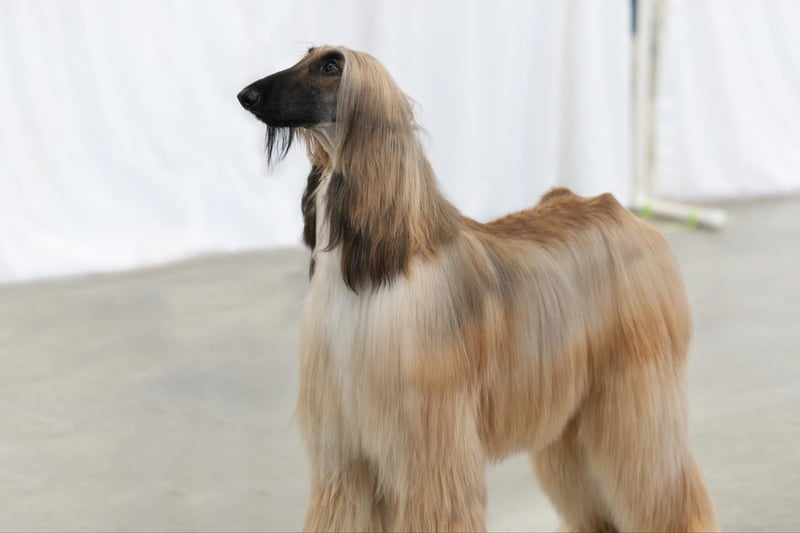
The Afghan Hound, classified FCI number 228 in Group 10, comes from the Afghan Hindu Kush mountains where it hunted snow leopard and gazelle for millennia. It weighs 23 to 27 kg for 63 to 74 cm at the withers, with a long, silky coat unique among sighthounds. The breed became known in the West starting in 1907 with the male King Zardin, exhibited at Crufts, before being standardized by the FCI. Life expectancy 12 to 14 years.

23 to 27 kg 13 years
See the profile
Cavalier King Charles Spaniel

3

Cavalier King Charles Spaniel

The Cavalier King Charles Spaniel is a British toy spaniel reconstituted in the 1920s, weighing 5.4 to 8.2 kg at 30 to 33 cm at the withers. Recognized FCI number 136, it combines an extreme velcro attitude — it is one of the breeds most prone to separation anxiety — with a median life expectancy shortened to 10-11 years due to hereditary mitral valve disease, which affects 100% of individuals past age 10.

5.4 to 8.2 kg 11 years
See the profile
Newfoundland

4

Newfoundland

The Newfoundland is a giant breed native to the Canadian island of the same name, recognized by the FCI under number 50. It weighs 45 to 70 kg for 63 to 74 cm at the withers, with a water-resistant double coat in black, brown, or Landseer (white and black). A breed historically employed by Newfoundland fishermen for sea rescue and net hauling, with a life expectancy of 8 to 10 years.

45 to 70 kg 9 years
See the profile
Leonberger

5

Leonberger

The Leonberger is a German giant created in Leonberg (Baden-Württemberg) in 1846 by Heinrich Essig, a cattle merchant, with the aim of producing a dog resembling the lion on the town's coat of arms. Recognized by the FCI under number 145 (Group 2), it weighs 45 to 77 kg for 65 to 80 cm. Its life expectancy of 8 to 9 years remains among the shortest of the large breeds.

45 to 77 kg 8 years
See the profile
French Bulldog

6

French Bulldog

The French Bulldog is a brachycephalic molossoid of 10 to 16 kg, created in France in the late 19th century in Paris's working-class neighborhoods. Recognized by the FCI under number 101, it combines a very low exercise need (20-30 min/day) with a high respiratory sensitivity that rules out any intense effort.

10 to 16 kg 11 years
See the profile
Barbet

7

Barbet

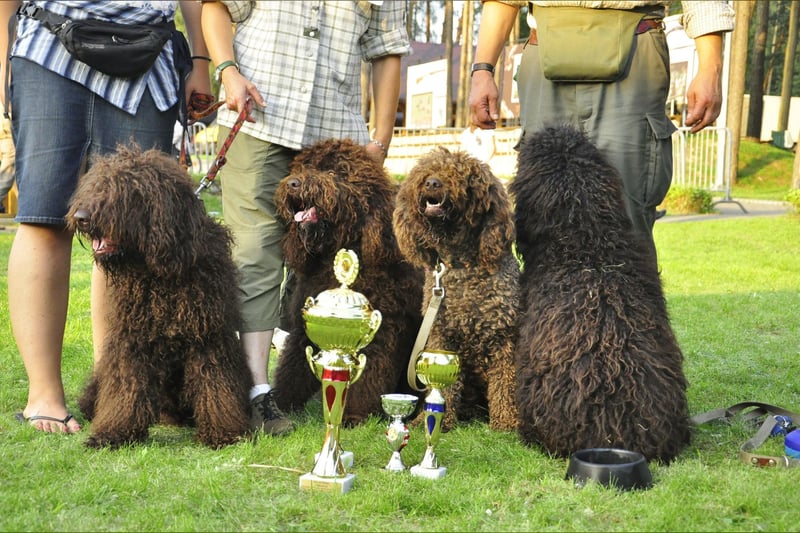
The Barbet (FCI 105) is a French water dog standing 52 to 65 cm at the withers and weighing 17 to 30 kg, first mentioned in the 16th century as a hunting aid for waterfowl in the marshes, in service of the French aristocracy. Considered the probable ancestor of the Poodle, the Portuguese Water Dog, the Spanish Water Dog, and the Otterhound, it forms a central link in the genealogy of European retrievers and water spaniels. Nearly extinct in the 1970s, with about 30 individuals recorded, it was rebuilt through the work of Hermine Jeanblanc-Castaing. Life expectancy is 12 to 15 years.

17 to 30 kg 13 years
See the profile
Bolognese

8

Bolognese

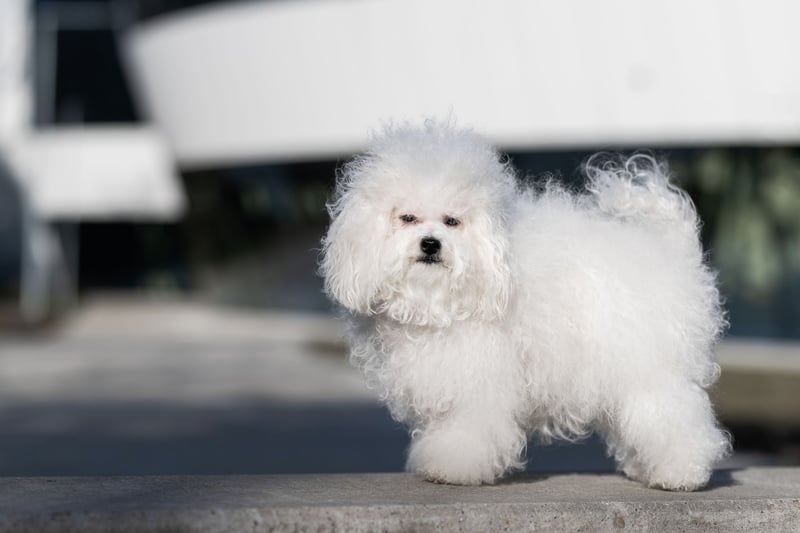
The Bolognese is a toy breed of 2.5 to 4 kg for 25 to 30 cm at the withers, recognized by the FCI under number 196, Group 9 Section 1. Originating in Bologna, Italy, it is documented in Italian aristocratic courts as early as the 15th century; Titian and later Goya both painted it. Its cottony white coat, not curled (unlike the wavy-coated Maltese), sheds almost nothing, which classifies it as hypoallergenic. Life expectancy of 13 to 15 years, with a healthy genetic profile thanks to a historical founder bottleneck.

2.5 to 4 kg 14 years
See the profile

Practical advice

  • Favor an adult dog if quietness is a non-negotiable criterion: all puppies experiment with barking, and adult temperament only fully shows after 12 to 18 months
  • The Basenji is the only officially barkless breed (a yodel instead) — but its cat-like independence calls for an experienced owner
  • Provide daily mental stimulation (puzzle toys, short training sessions): frustration barking can affect even quiet breeds if they get bored
  • A "barking" score of 2/5 or lower in our breed profiles is a good indicator of natural discretion — check this before any adoption
  • Avoid guard breeds, driving herding breeds, and scent hounds bred to bay even if an individual seems calm — the vocal-alarm instinct can resurface in adulthood

Frequently asked questions

Does the Basenji really not bark?
Not in the usual sense of the term. The particular shape of its larynx prevents it from producing the repeated sound characteristic of barking: instead, it produces a deep yodel or a highly expressive whine. This trait is noted in the breed's FCI standard (group 5, section 6). One caveat though: "not barking" isn't the same as "being silent" — the Basenji yelps, whines, and lets out high-pitched cries when excited, and sensitive neighbors will hear it.
How do you stop a naturally quiet breed from barking anyway?
A dog that's bored or suffering from separation anxiety can develop compulsive barking regardless of breed. Prevention comes down to a stable routine, adequate outings, daily mental stimulation (scent games, Kong, puzzle toys), and, if needed, gradual desensitization work with a behaviorist.
Does a quiet breed mean a passive breed?
Not necessarily. The Basenji is curious and actively explores its surroundings. Sighthounds have needs for intense bursts of running (Greyhound, Whippet). The Leonberger needs space and regular exercise. Vocal quietness isn't correlated with low energy — it's a vocal trait independent of overall activity level.
What should I do if my dog barks the moment I leave?
This behavior mainly points to separation anxiety, not a breed flaw — other causes exist too (boredom, outside noise, pain), which a vet can help rule out. The main approach is gradual desensitization to departure cues (putting on a coat, picking up keys without leaving), tiring walks before you go, and, if the barking persists beyond 4 weeks, a consultation with a veterinary behaviorist.
Are anti-bark collars a reliable solution?
Spray (citronella) or vibration collars can reduce barking in the short term, but they don't address the cause. Electric shock collars are banned in many European countries and condemned by veterinary behaviorists because they generate chronic stress. Behavioral management and environmental enrichment remain the most durable approaches.
Is the Cavalier King Charles Spaniel really quiet?
The Cavalier is moderately discreet: it doesn't bark without reason but may announce visitors with a few short barks. It's an indoor breed that seeks human contact — it expresses itself mainly through physical closeness rather than its voice. Well socialized, a Cavalier in an apartment is noticeably less vocal than the average small breed.
Sources