DogMatch My selection FR

Which dog for an apartment? 8 breeds that fit

Tight space, close neighbors, limited walks: 8 breeds suited to apartment living, ranked by energy level and how much they bark.

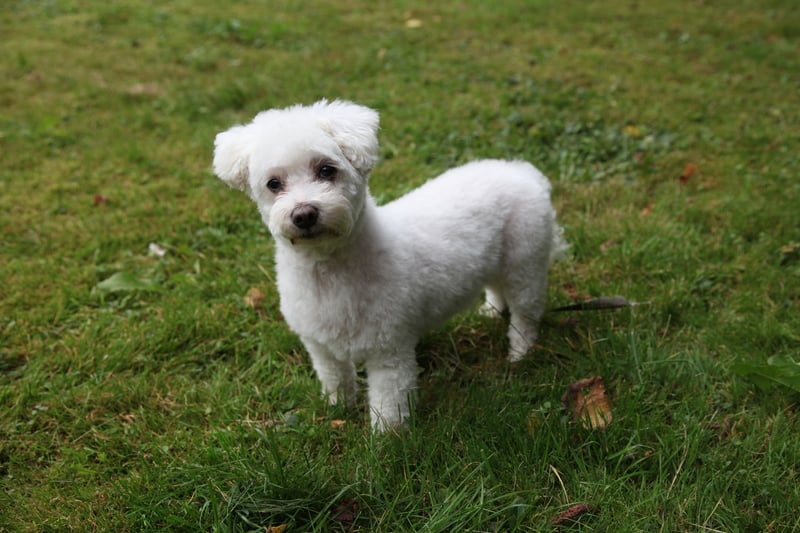
  1. 1 Bichon Frise
  2. 2 Havanese
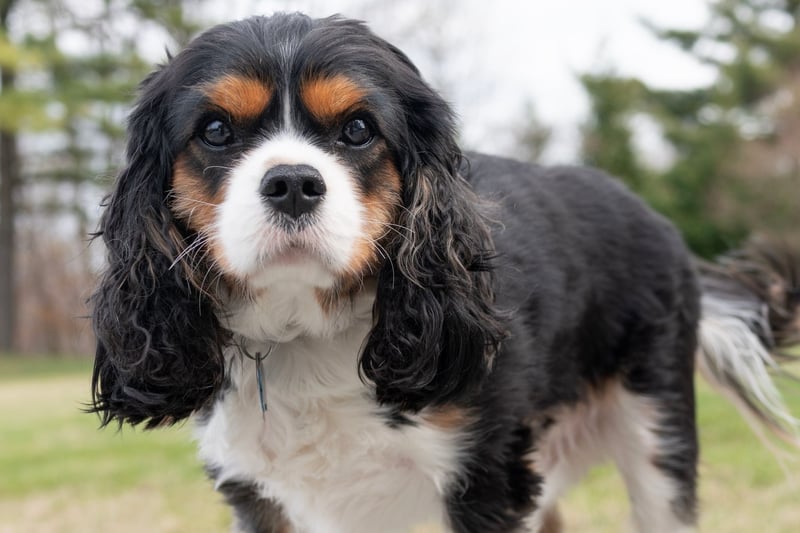
  3. 3 Cavalier King Charles Spaniel
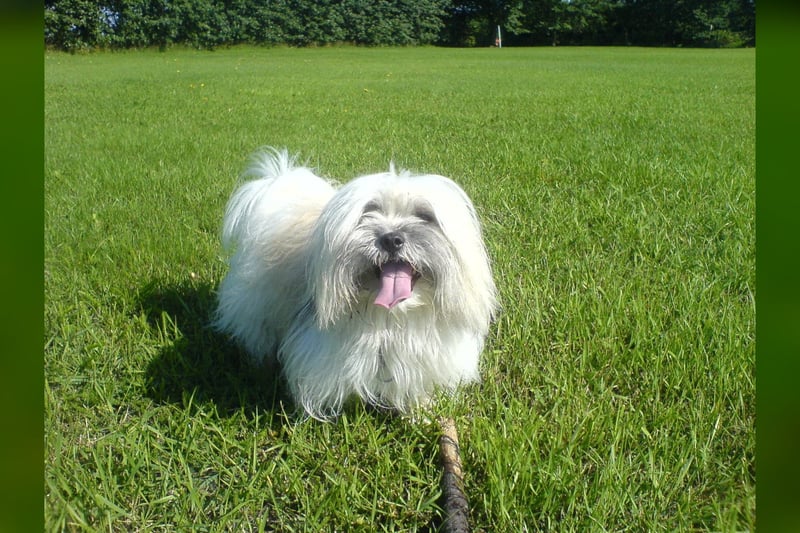
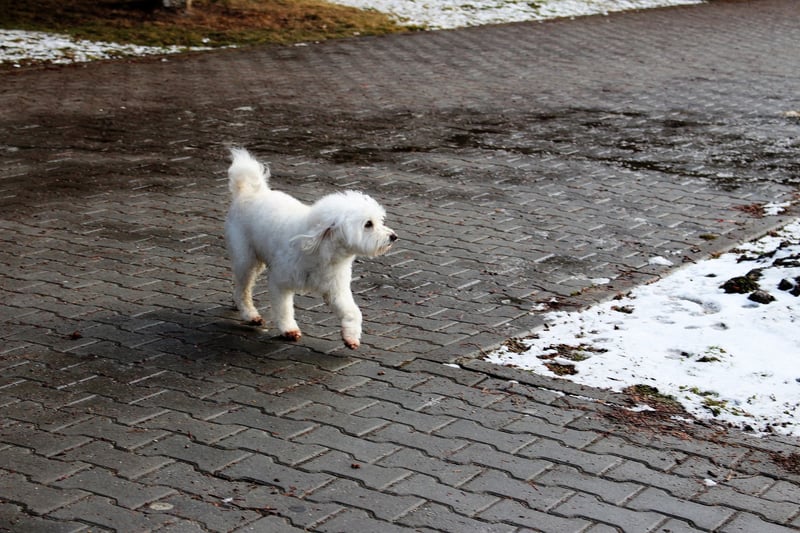
  4. 4 Maltese
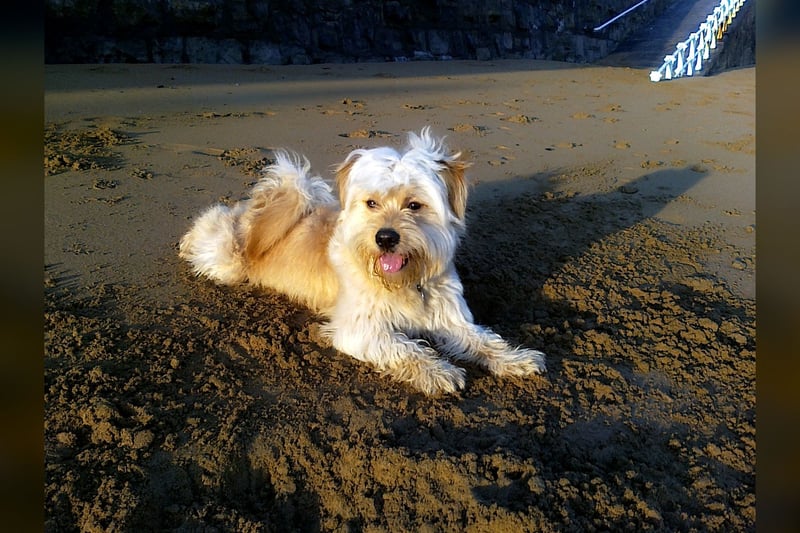
  5. 5 Coton de Tulear
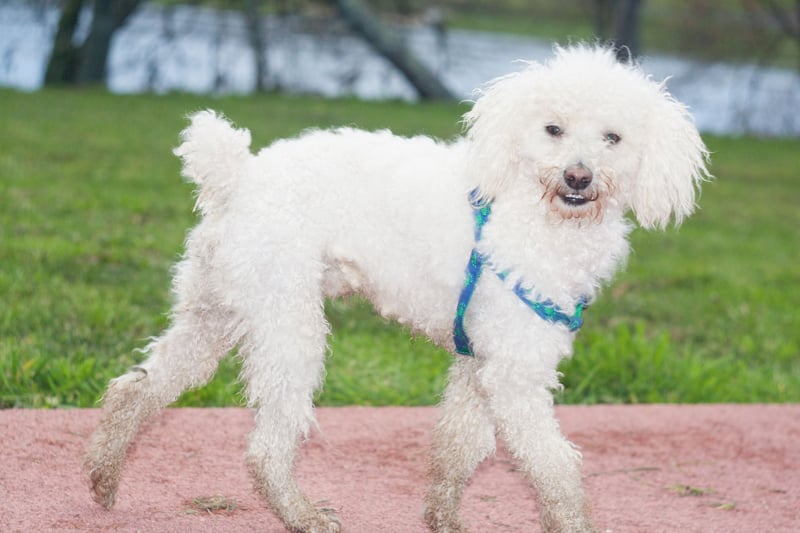
  6. 6 Toy Poodle
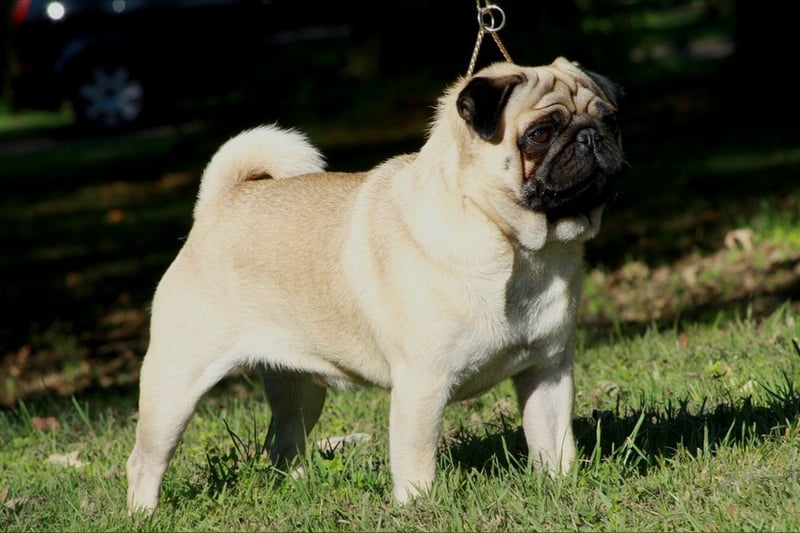
  7. 7 Pug
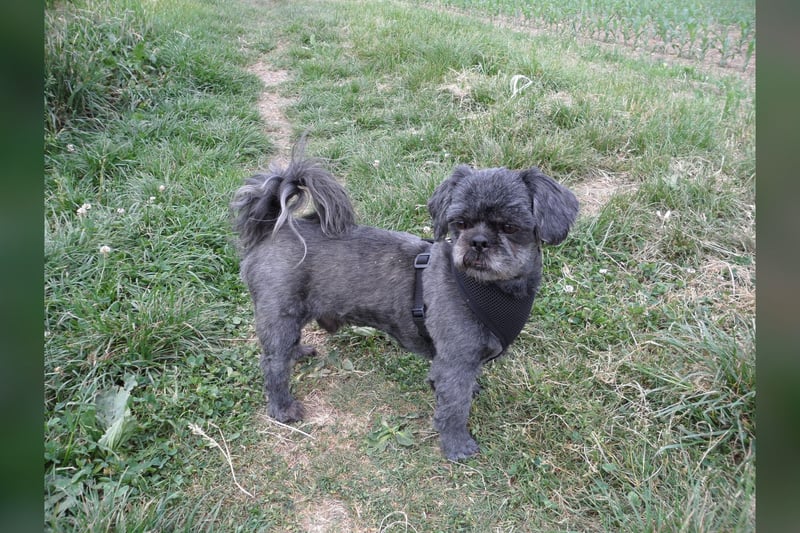
  8. 8 Shih Tzu

Living in an apartment with a dog is entirely doable, provided you pick a breed whose behavioral profile matches the constraints of a dense urban setting. The two decisive factors are size and energy level: a dog under 15 kg is easier to handle in shared spaces, in the elevator and on landings. A moderate energy level means, in practice, that two 30-minute walks a day cover its need to move without producing destructive behavior indoors. Managing barking is critical in a building with shared walls. Some breeds were selected to give voice (hunting terriers, spitz types) and adapt poorly to the silence a co-owned building imposes. Breeds such as the Cavalier King Charles Spaniel, the Havanese or the Shih Tzu are less quick to bark: their vocal trigger threshold is naturally higher. Tolerance for stairs and elevators is also worth anticipating: a French Bulldog or a Pug, because of their flat-faced build, may need particular care during repeated stair climbs or in hot weather. For apartments on an upper floor without an elevator, long-backed, short-legged breeds (Basset Hound and the like) are best avoided. Finally, the amount of hair shed into the living space is an often underestimated parameter: breeds without a dense undercoat (Maltese, Havanese, Poodle) shed noticeably less and suit small-footprint apartments better.

8 recommended breeds

Every portrait opens the full profile: temperament, living conditions, health, budget and cited sources.

Bichon Frise

1

Bichon Frise

The Bichon Frise is a companion dog of 5 to 10 kg for 25 to 30 cm at the withers, recognized by the FCI under number 215, Group 9, Section 1. White, curly coat with a corkscrew texture and near-zero shedding — classified as hypoallergenic. A breed of Mediterranean origin popularized by European courts in the 16th-17th centuries. Life expectancy of 12 to 15 years. Predisposed to patellar luxation, atopic skin allergies, Cushing's syndrome, and hip dysplasia.

5 to 10 kg 13 years
See the profile
Havanese

2

Havanese

The Havanese is the only dog breed native to Cuba, recognized by the FCI under number 250, Group 9 Section 1. Weight 3 to 7 kg for 21 to 29 cm at the withers, with a long coat of 12 to 18 cm, silky, flat or wavy, non-matting — a trait that classifies it as hypoallergenic. Life expectancy of 14 to 16 years, among the longest of the toy breeds. Known predispositions: patellar luxation, hip dysplasia, deafness in dogs with an all-white coat.

3 to 7 kg 15 years
See the profile
Cavalier King Charles Spaniel

3

Cavalier King Charles Spaniel

The Cavalier King Charles Spaniel is a British toy spaniel reconstituted in the 1920s, weighing 5.4 to 8.2 kg at 30 to 33 cm at the withers. Recognized FCI number 136, it combines an extreme velcro attitude — it is one of the breeds most prone to separation anxiety — with a median life expectancy shortened to 10-11 years due to hereditary mitral valve disease, which affects 100% of individuals past age 10.

5.4 to 8.2 kg 11 years
See the profile
Maltese

4

Maltese

The Maltese is a Mediterranean toy breed of 3 to 4 kg for 20 to 25 cm at the withers, recognized by the FCI under number 65, Group 9 Section 1. Its long, silky white coat sheds practically nothing (the undercoat is nearly absent), which classifies it as semi-hypoallergenic. Life expectancy of 12 to 15 years, a hardy breed for its size but prone to patellar luxation, portosystemic shunt, and hypoglycemia in puppies.

3 to 4 kg 14 years
See the profile
Coton de Tulear

5

Coton de Tulear

The Coton de Tulear is a Malagasy breed native to the port of Tulear (now Toliara), recognized by the FCI under number 283, Group 9 Section 1, with France as the patron country since 1970. Weight 3.5 to 7 kg for 22 to 30 cm at the withers. Its white cottony coat, with a texture unique in the world — comparable to raw cotton — gives the breed its name and its hypoallergenic status. A hardy breed with a low prevalence of severe genetic pathologies, life expectancy 14 to 16 years. Progressive retinal atrophy (PRA) documented.

3.5 to 7 kg 15 years
See the profile
Toy Poodle

6

Toy Poodle

The Toy Poodle is the smallest of the four Poodle varieties (FCI 172): height at the withers above 24 cm and below 28 cm, weight 2 to 3.5 kg. A French breed with a curly coat that does not shed, classed as hypoallergenic. Life expectancy 12 to 15 years. It inherits the exceptional trainability of the Standard Poodle — ranked 2nd according to Coren — but shows toy-specific conditions: patellar luxation, Legg-Calvé-Perthes disease, tracheal collapse.

2 to 3.5 kg 14 years
See the profile
Pug

7

Pug

The Pug is an extreme brachycephalic molossoid of 6 to 8 kg and 25 to 36 cm, descended from the imperial Chinese courts of the Han dynasty. Recognized by the FCI under number 253, it shows severe BOAS in more than 50% of individuals, a breed-specific fatal hereditary encephalitis (PDE), and a life expectancy of 12 to 15 years compromised by its accumulated structural defects.

6 to 8 kg 13 years
See the profile
Shih Tzu

8

Shih Tzu

The Shih Tzu weighs 4 to 7.5 kg for 20-27 cm at the withers, recognized by the FCI under number 208, Group 9. A brachycephalic breed of Tibetan origin, it develops BOAS (brachycephalic obstructive airway syndrome) in 30 to 50% of individuals and shows marked heat intolerance from 24 °C. Life expectancy 12-14 years.

4 to 7.5 kg 13 years
See the profile

Practical advice

  • Pick a breed whose barking level is rated 1 or 2 out of 5 to keep the peace with neighbors in a building with shared walls.
  • Plan for at least 2 short relief walks (10 min) and 1 walk of 30-40 min per day — that is the vital floor even for a calm dog.
  • An upper-floor apartment without an elevator increases joint load on the dog: favor light-boned breeds (under 10 kg) if you climb more than 3 flights regularly.
  • Breeds without a heavy undercoat (Maltese, Poodle, Havanese) leave less hair on floors and furniture — a concrete advantage in a small space.
  • Anticipate daytime solitude when you choose the breed: strongly owner-attached breeds, the Cavalier King Charles Spaniel first among them, cope badly with long absences; adjust your routine accordingly.
  • For a studio under 30 m², the Toy Poodle (2-3.5 kg), the Maltese (3-4 kg) and the Chihuahua (1.5-3 kg) are the rare breeds for which indoor floor area is not the first limiting factor.

Frequently asked questions

Can you keep a Border Collie in an apartment?
No, barring a very carefully managed exception. The Border Collie is the breed with the highest working intelligence quotient according to Stanley Coren (The Intelligence of Dogs, 1994) and needs 2 to 3 hours of physical and mental activity a day. In an apartment with no garden and no access to open space several times a day, the risk of compulsive behaviors (spinning, chewing furniture, vocalizing) is high. Reserve it for active people with daily access to large open areas.
How much time outdoors does my dog need each day in an apartment?
For the breeds best suited to apartments (Bichon, Cavalier, Shih Tzu), the viable minimum is 45 to 60 minutes split across 3 walks. Below that threshold, elimination and sensory stimulation needs go uncovered, which produces anxiety and indoor accidents. For moderate-energy breeds (Miniature Poodle, Coton de Tulear), a 30-minute walk in the morning and another in the evening is the strict minimum.
How do I handle my dog being alone during the day in an apartment?
A dog should not be left alone for more than 4 to 6 consecutive hours without access to a relief area or some stimulation. For long absences, practical options include a dog sitter or midday walker (one 30-minute outing), a timed kibble dispenser, or a frozen stuffed Kong that keeps the dog busy for 15 to 20 minutes. A connected camera lets you detect excessive crying, a sign of separation anxiety that calls for behavioral follow-up.
Is a balcony essential to keep a dog in an apartment?
No, a balcony is not essential. It can even be a hazard if the dog is unsupervised (falls, overheating in summer). The need for fresh air and visual stimulation is covered by daily walks. That said, an enclosed loggia or balcony can serve as a thermal transition and decompression space, provided access is secured and the dog is never left outside without direct supervision.
Which breed for a studio under 30 m²?
Below 30 m², indoor floor area is objectively insufficient for the vast majority of breeds. Three options remain viable: the Toy Poodle (2-3.5 kg), the Maltese (3-4 kg) and the Chihuahua (1.5-3 kg). These breeds spend most of the day lying down, have low indoor movement needs and settle into a compact sleeping spot. One non-negotiable condition: outdoor walks cannot be cut back on the grounds that the breed is small.
Sources

  • FCI — Nomenclature of recognized breeds · Fédération Cynologique Internationale. Official nomenclature of recognized breeds, groups 1-10. fci.be, accessed May 2026.
  • VetCompass — Urban dog behavior study · O'Neill D.G. et al. VetCompass Programme, RVC London. Demographic and disorders data for dogs under primary veterinary care in the UK in 2013. PLOS ONE, 2014. Behavioral data in dense urban settings.
  • AKC — Apartment-friendly dog breeds · American Kennel Club. Best Dog Breeds for Apartments. akc.org, 2024. Criteria: energy level, barking and size suited to apartment living.