DogMatch My selection FR

Which dog for a family with children?

Labrador, Golden, Australian Shepherd: which breeds handle children well, which to avoid, and how to get the dog-child introduction right.

  1. 1 Labrador Retriever
  2. 2 Golden Retriever
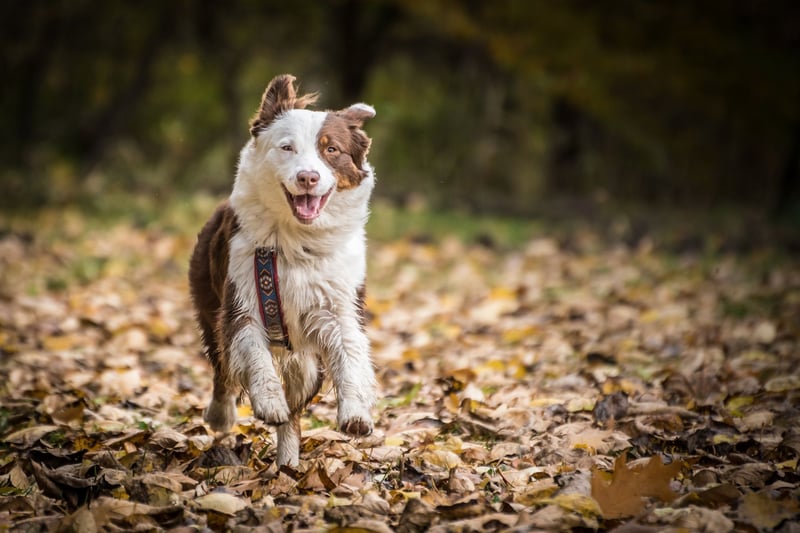
  3. 3 Australian Shepherd
  4. 4 Beagle
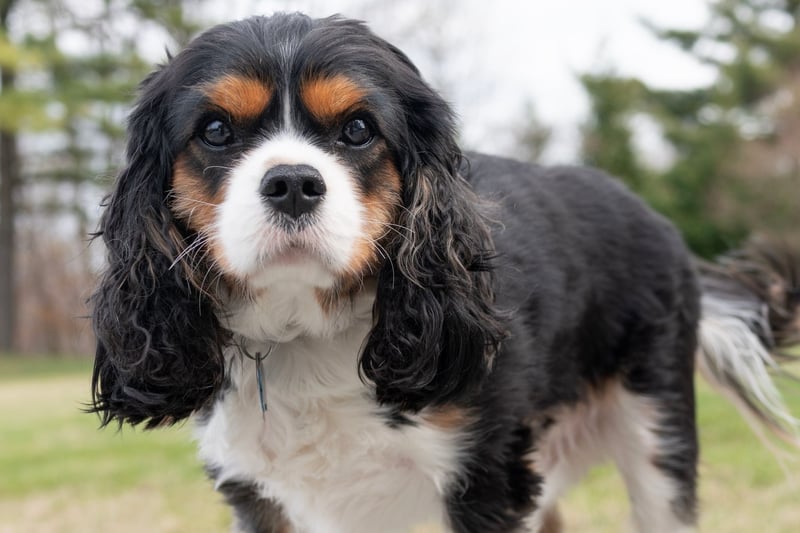
  5. 5 Cavalier King Charles Spaniel
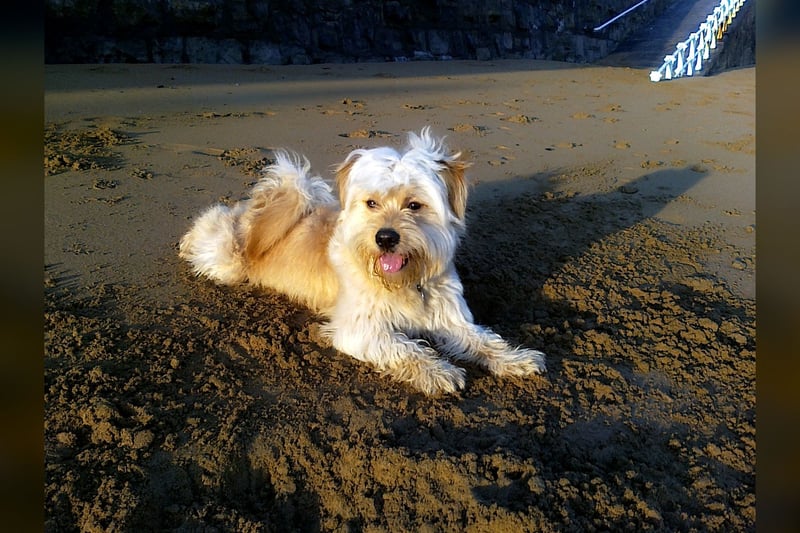
  6. 6 Havanese
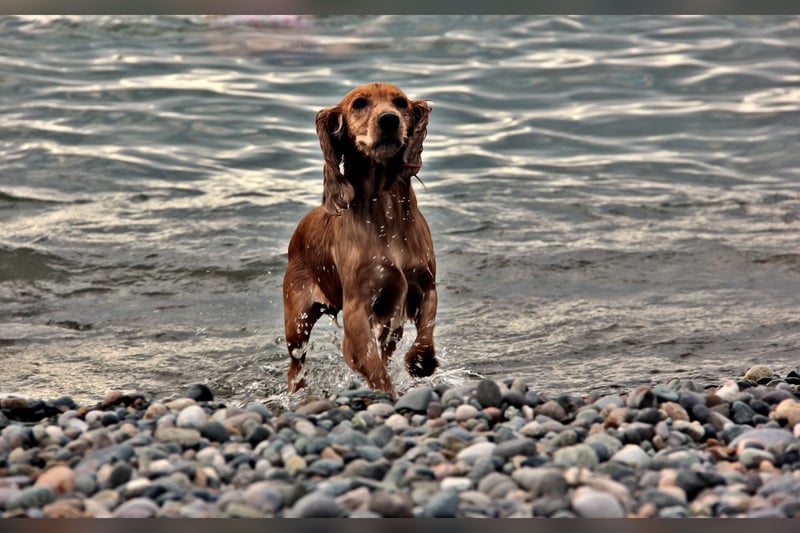
  7. 7 English Cocker Spaniel
  8. 8 Bernese Mountain Dog

Choosing a dog for a household with children isn't just about finding a breed with a reputation for gentleness. How a dog behaves around children depends on three interacting factors: breed genetics (tolerance threshold, prey drive, reactivity), the puppy's early socialization (exposure to children between 3 and 12 weeks), and adult supervision — which remains mandatory regardless of breed until the child is at least 6 years old. The Labrador Retriever has remained, for more than thirty consecutive years, the most registered breed in the United States according to the AKC's annual rankings. That long run at the top isn't a coincidence: the breed was selected to work alongside people with a high tolerance threshold for unexpected handling, sudden noises and unpredictable movement — traits typical of young children. The Golden Retriever shares this profile: it's one of the large breeds most consistently cited for its tolerance of children. By contrast, some breeds carry structural risks with very young children: breeds with a strong prey drive (Siberian Husky, Whippet, Jack Russell Terrier) can react to a child running or screaming as if it were prey. Breeds selected for strict guarding (Belgian Shepherd Dog (Malinois), Rottweiler, Dobermann) require solid dog-handling experience and a rigorous training framework that most families with young children can't guarantee. For children between 7 and 15, the range of viable breeds widens: a child this age can take part in training the dog, which strengthens the bond and reduces behavioral risk. The Australian Shepherd, highly stimulating mentally, suits this age group well, provided the parents drive the daily physical activity.

8 recommended breeds

Every portrait opens the full profile: temperament, living conditions, health, budget and cited sources.

Labrador Retriever

1

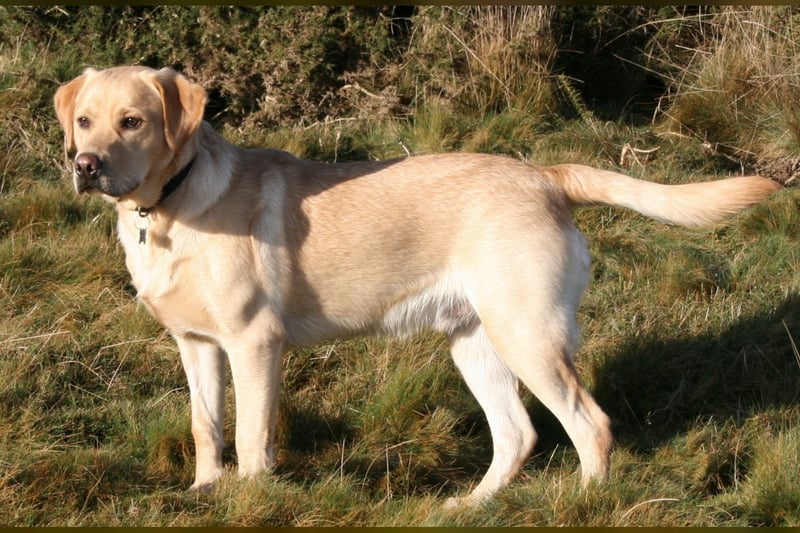
Labrador Retriever

The Labrador Retriever is a retrieving breed of Newfoundland and British origin, weighing 25 to 36 kg. Recognized by the FCI under number 122, it has been the most popular breed in the world for 30+ years (uninterrupted AKC #1 from 1991 to 2022) thanks to its balance of friendliness, high trainability, and versatility (hunting, assistance work, detection, search and rescue).

25 to 36 kg 11 years
See the profile
Golden Retriever

2

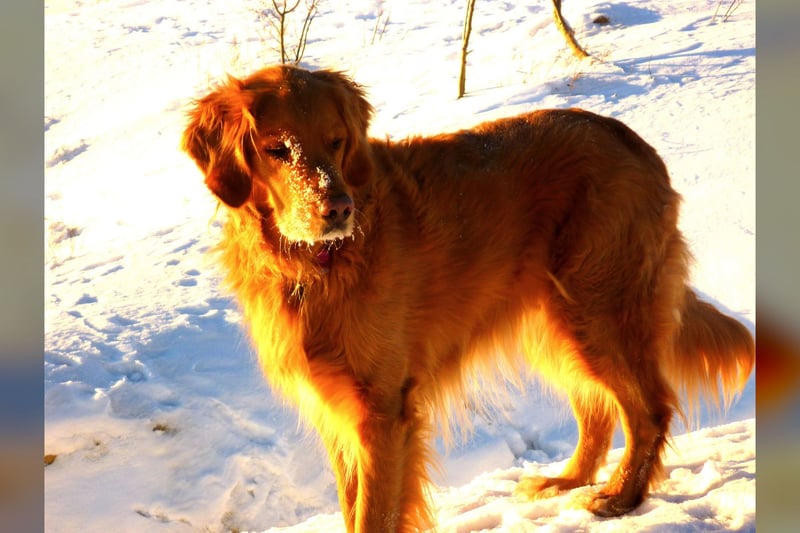
Golden Retriever

The Golden Retriever is a British retrieving breed of 25 to 34 kg, created in Scotland in the 19th century by Lord Tweedmouth for waterfowl hunting. Recognized by the FCI under number 111, it combines maximum sociability (excellent with strangers, children, and other dogs) with a moderate-to-high exercise need (1 to 1.5 hours a day).

25 to 34 kg 12 years
See the profile
Australian Shepherd

3

Australian Shepherd

The Australian Shepherd is an American herding dog of 21 to 32 kg, developed in California in the 19th century from Basque herding dogs. Recognized by the FCI under number 342, it combines maximum energy with a high working capacity, and needs 1.5 to 2 hours of daily activity to stay balanced.

21 to 32 kg 12 years
See the profile
Beagle

4

Beagle

The Beagle is a British scent hound weighing 12 to 17 kg, bred for pack hunting of hare since the 14th century. Recognized by the FCI under number 161, it combines maximum sociability (with people and dogs) with marked olfactory independence — it follows any scent trail and goes deaf to recall.

12 to 17 kg 12 years
See the profile
Cavalier King Charles Spaniel

5

Cavalier King Charles Spaniel

The Cavalier King Charles Spaniel is a British toy spaniel reconstituted in the 1920s, weighing 5.4 to 8.2 kg at 30 to 33 cm at the withers. Recognized FCI number 136, it combines an extreme velcro attitude — it is one of the breeds most prone to separation anxiety — with a median life expectancy shortened to 10-11 years due to hereditary mitral valve disease, which affects 100% of individuals past age 10.

5.4 to 8.2 kg 11 years
See the profile
Havanese

6

Havanese

The Havanese is the only dog breed native to Cuba, recognized by the FCI under number 250, Group 9 Section 1. Weight 3 to 7 kg for 21 to 29 cm at the withers, with a long coat of 12 to 18 cm, silky, flat or wavy, non-matting — a trait that classifies it as hypoallergenic. Life expectancy of 14 to 16 years, among the longest of the toy breeds. Known predispositions: patellar luxation, hip dysplasia, deafness in dogs with an all-white coat.

3 to 7 kg 15 years
See the profile
English Cocker Spaniel

7

English Cocker Spaniel

The English Cocker Spaniel weighs 12 to 16 kg for 38 to 41 cm at the withers — noticeably larger than its American cousin. A hunting spaniel breed selected in the United Kingdom in the 19th century to flush and retrieve woodcock ('cocking'). Recognized by the FCI under number 5, Group 8. Life expectancy 12 to 14 years. Solid-colored individuals (solid red, solid black) are predisposed to 'rage syndrome': unpredictable episodes of idiopathic aggression documented since the 1970s.

12 to 16 kg 13 years
See the profile
Bernese Mountain Dog

8

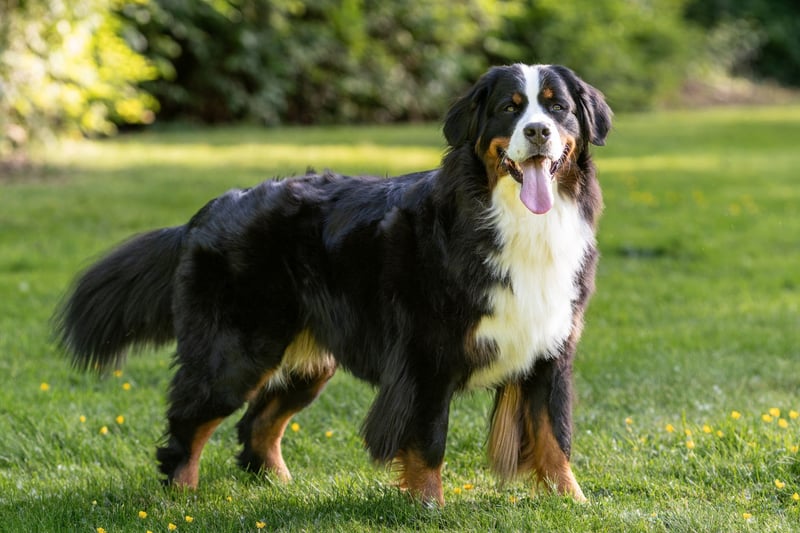
Bernese Mountain Dog

The Bernese Mountain Dog is a Swiss Sennenhund from the canton of Bern, registered in the FCI nomenclature under number 45. It weighs 36 to 50 kg for 58 to 70 cm, with a tricolor black/tan/white coat strictly codified by the standard. Its life expectancy of 7 to 9 years is the shortest of the four Swiss mountain dogs, due to a high prevalence of malignant histiocytosis (25% of causes of death).

36 to 50 kg 8 years
See the profile

Practical advice

  • Never leave a dog alone with a child under 6, regardless of temperament — the vast majority of child bites involve a dog the family already knows, and adult supervision remains the main protective factor identified (CDC).
  • Introduce the puppy and the child gradually, with separate physical spaces for the first few weeks: the puppy needs to be able to retreat to its own area without being followed.
  • Spaying or neutering limits heat-related escapes and simplifies day-to-day management of the dog; however, its effect on aggression isn't established — it doesn't exempt you from any supervision rule.
  • The Labrador and the Golden Retriever remain the two safe bets for a household with children: high tolerance threshold for handling, low reactivity, sociability widely documented by breeders and trainers.
  • Avoid breeds selected for strict guarding (Belgian Shepherd Dog (Malinois), Rottweiler, Dobermann) if you have no prior dog experience and children under 8.
  • Teach your children the basic signs of canine stress (yawning, lip licking, ears pinned back): recognizing these signals cuts down risky interactions before they escalate.

Frequently asked questions

At what age can I leave a dog and a child alone unsupervised?
There's no universal age. Pediatricians and canine behaviorists agree on a minimum of 6 for the child, provided the dog is an adult (over 2 years old), calm in temperament, and the child has been taught to read canine signals. In practice, intermittent supervision is still recommended up to age 8-10. Zero risk doesn't exist, even with the most tolerant breeds.
Which puppy suits a family with a baby under 1?
The puppy-plus-baby combination is about as demanding as it gets: both need intense supervision and run on incompatible schedules. If a baby is in the house, it's better to adopt an adult dog aged 3 to 5, with a temperament already assessed by a rescue or a serious breeder, rather than a puppy whose adult personality is still unknown. Breeds worth considering here: an adult Labrador, an adult Golden Retriever, an adult Cavalier King Charles Spaniel.
How do I manage the dog's jealousy when a baby arrives?
Canine jealousy toward a newborn often shows up as regressive behavior (house-training accidents, destructiveness) or hyper-attachment to one parent. Prepare the transition before the birth: desensitize the dog to baby smells (creams, wipes), gradually shift its routine 4 to 6 weeks before the birth, and keep a dedicated daily interaction time even after the baby arrives. An IAABC-certified behaviorist can help with difficult transitions.
Which breeds are not recommended with young children (under 4)?
Breeds with a strong prey drive triggered by young children's unpredictable movements: Siberian Husky, Jack Russell Terrier, Whippet. Breeds with a predisposition for strict guarding that require training expertise: Belgian Shepherd Dog (Malinois), Rottweiler, Dobermann. Breeds with a low reactivity threshold to auditory stimulation: Dalmatian, some German Shepherd Dog lines. These recommendations are probabilistic, not absolute: a well-socialized individual can deviate from its breed's norm.
How many children can a dog handle in a household?
There's no documented numerical limit. What matters is consistent rules applied by all the children (no rough play, respecting the dog's rest space) and a responsible adult present to referee interactions. In larger families (3 children or more), a dog with a high tolerance threshold and low reactivity is especially well suited: Labrador, Golden Retriever, Pyrenean Sheepdog.
Is a large dog more dangerous than a small dog for a child?
No, danger isn't measured by size alone. A large dog causes more severe damage when it bites, but small dogs bite too — and they're often supervised less, with children left to handle them without boundaries. A well-socialized 30 kg Labrador poses less behavioral risk than a stressed, never-socialized small dog. Individual temperament and training matter more than build; the potential severity of the injury, though, does increase with size.
Sources