DogMatch My selection FR

First dog: 8 breeds suited to beginners

Adopting a dog for the first time? Discover 8 breeds that are easy to train, stable, and well documented for a successful first adoption.

  1. 1 Labrador Retriever
  2. 2 Golden Retriever
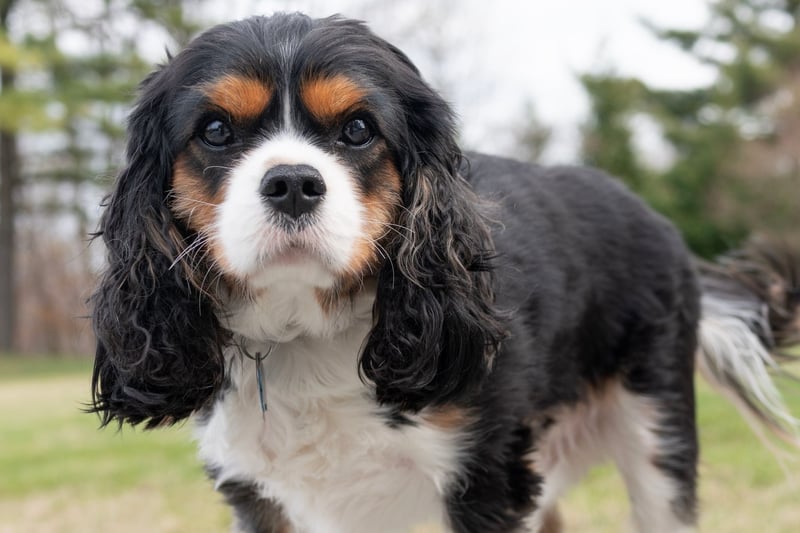
  3. 3 Cavalier King Charles Spaniel
  4. 4 Bichon Frise
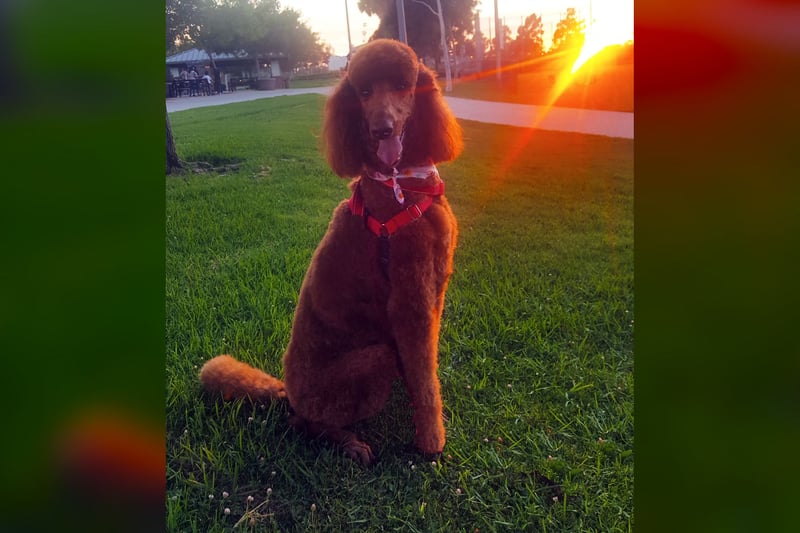
  5. 5 Medium Poodle
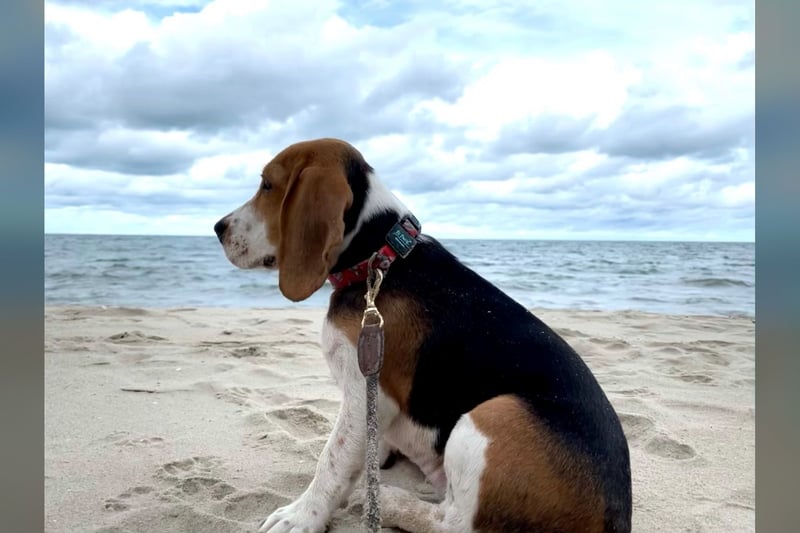
  6. 6 Beagle
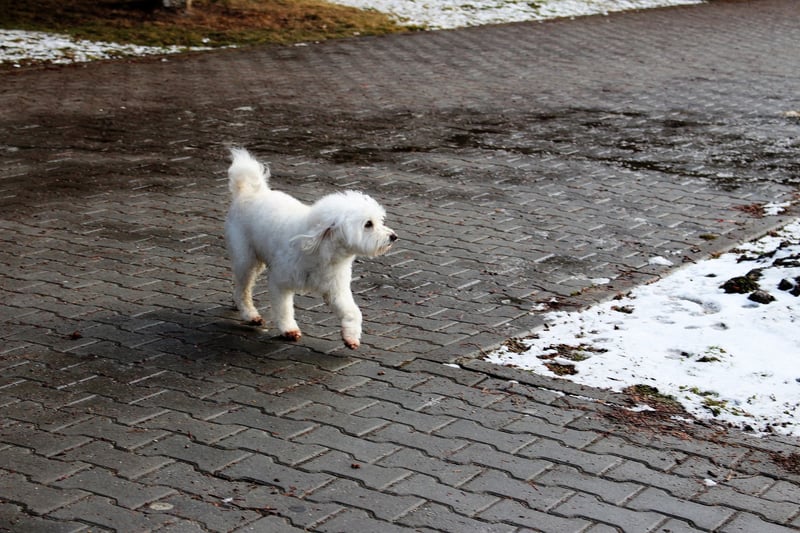
  7. 7 Havanese
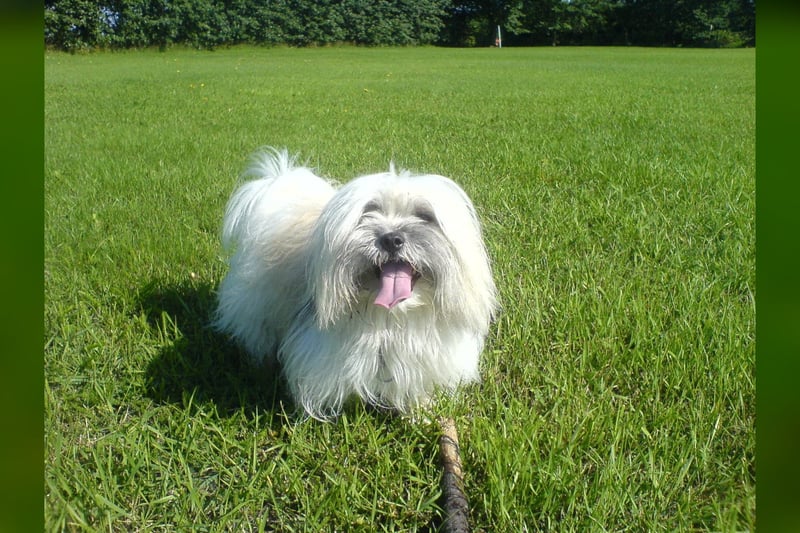
  8. 8 Coton de Tulear

Adopting a first dog commits you to ten to fifteen years of daily cohabitation. The most decisive criterion for a first-time adopter isn't a breed's looks — it's trainability: a dog's capacity to learn quickly, respond to gentle corrections, and forgive the handling mistakes inherent to any beginner owner. Stanley Coren, in The Intelligence of Dogs (1994), ranked breeds by their learning ability with an average trainer. The Medium Poodle comes in 2nd, the Golden Retriever 4th, the Labrador Retriever 7th. These three breeds share a strong desire to please their owner (biddability), tolerance for inconsistent training, and a stable temperament in the face of unusual stimuli — three qualities critical for an owner who's learning at the same time as their dog. Conversely, some breeds aren't recommended for a first dog not for lack of quality, but because of specific handling demands: the Border Collie needs intense daily mental stimulation or it turns to destructive behaviors; the Siberian Husky was selected to work independently over long distances, which makes it poorly inclined toward formal obedience; the Belgian Shepherd Dog (Malinois) requires firm, consistent handling; the Akita has a strong pack instinct and little tolerance for communication mistakes. The Cavalier King Charles Spaniel, though ranked 44th by Coren, remains one of the strongest recommendations for a first-time adopter: its need for human contact makes it a dog that constantly seeks to be with its owner, which naturally simplifies the relationship. Its watch point is genetics: quality bloodlines lower the risk and delay cardiac conditions (mitral valve disease, very common in the breed with age) and neurological ones — without eliminating them. A cardiac check-up from age 5 on, or health insurance taken out early, should be part of the budget to plan for.

8 recommended breeds

Every portrait opens the full profile: temperament, living conditions, health, budget and cited sources.

Labrador Retriever

1

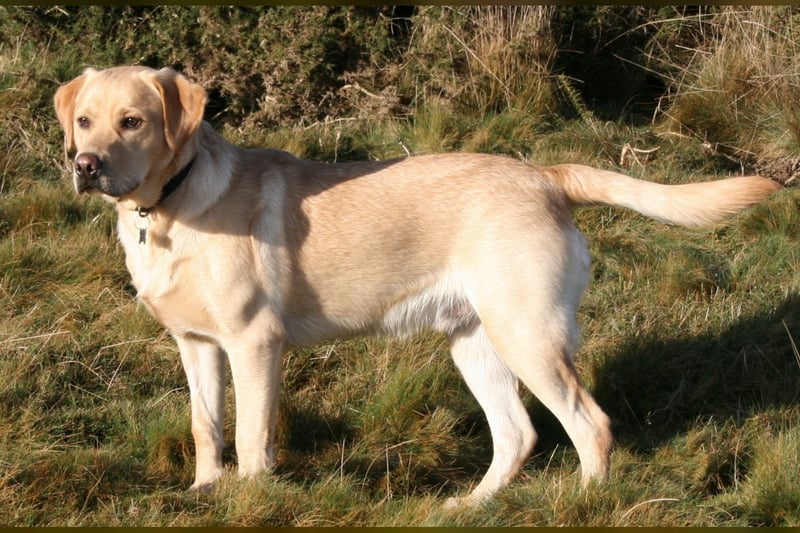
Labrador Retriever

The Labrador Retriever is a retrieving breed of Newfoundland and British origin, weighing 25 to 36 kg. Recognized by the FCI under number 122, it has been the most popular breed in the world for 30+ years (uninterrupted AKC #1 from 1991 to 2022) thanks to its balance of friendliness, high trainability, and versatility (hunting, assistance work, detection, search and rescue).

25 to 36 kg 11 years
See the profile
Golden Retriever

2

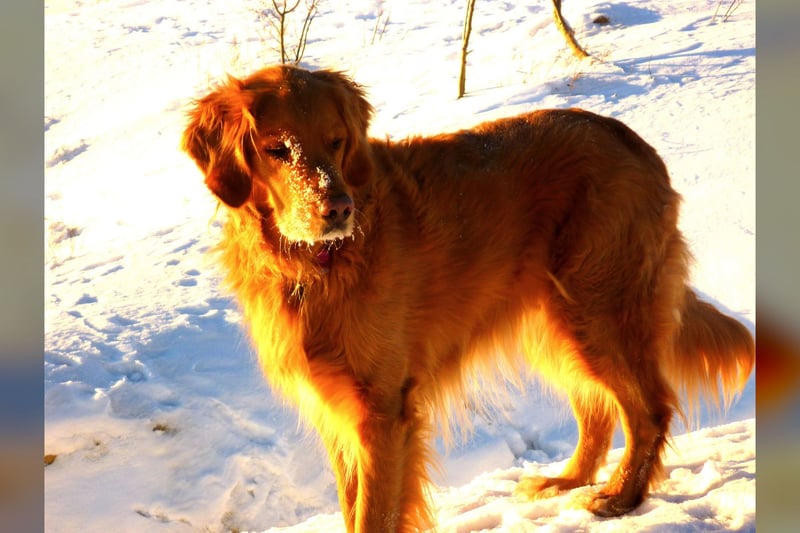
Golden Retriever

The Golden Retriever is a British retrieving breed of 25 to 34 kg, created in Scotland in the 19th century by Lord Tweedmouth for waterfowl hunting. Recognized by the FCI under number 111, it combines maximum sociability (excellent with strangers, children, and other dogs) with a moderate-to-high exercise need (1 to 1.5 hours a day).

25 to 34 kg 12 years
See the profile
Cavalier King Charles Spaniel

3

Cavalier King Charles Spaniel

The Cavalier King Charles Spaniel is a British toy spaniel reconstituted in the 1920s, weighing 5.4 to 8.2 kg at 30 to 33 cm at the withers. Recognized FCI number 136, it combines an extreme velcro attitude — it is one of the breeds most prone to separation anxiety — with a median life expectancy shortened to 10-11 years due to hereditary mitral valve disease, which affects 100% of individuals past age 10.

5.4 to 8.2 kg 11 years
See the profile
Bichon Frise

4

Bichon Frise

The Bichon Frise is a companion dog of 5 to 10 kg for 25 to 30 cm at the withers, recognized by the FCI under number 215, Group 9, Section 1. White, curly coat with a corkscrew texture and near-zero shedding — classified as hypoallergenic. A breed of Mediterranean origin popularized by European courts in the 16th-17th centuries. Life expectancy of 12 to 15 years. Predisposed to patellar luxation, atopic skin allergies, Cushing's syndrome, and hip dysplasia.

5 to 10 kg 13 years
See the profile
Medium Poodle

5

Medium Poodle

The Medium Poodle is the third-largest of the four FCI 172 Poodle varieties by size: height at the withers 35 to 45 cm, weight 9 to 15 kg. A traditional French variety, the least exported of the four: in the United States and the United Kingdom, the market is dominated by the Toy, the Miniature and the Standard. A curly, non-shedding, hypoallergenic coat. Life expectancy 13 to 15 years. Versatile in agility and obedience, predisposed to mild hip dysplasia and progressive retinal atrophy.

9 to 15 kg 14 years
See the profile
Beagle

6

Beagle

The Beagle is a British scent hound weighing 12 to 17 kg, bred for pack hunting of hare since the 14th century. Recognized by the FCI under number 161, it combines maximum sociability (with people and dogs) with marked olfactory independence — it follows any scent trail and goes deaf to recall.

12 to 17 kg 12 years
See the profile
Havanese

7

Havanese

The Havanese is the only dog breed native to Cuba, recognized by the FCI under number 250, Group 9 Section 1. Weight 3 to 7 kg for 21 to 29 cm at the withers, with a long coat of 12 to 18 cm, silky, flat or wavy, non-matting — a trait that classifies it as hypoallergenic. Life expectancy of 14 to 16 years, among the longest of the toy breeds. Known predispositions: patellar luxation, hip dysplasia, deafness in dogs with an all-white coat.

3 to 7 kg 15 years
See the profile
Coton de Tulear

8

Coton de Tulear

The Coton de Tulear is a Malagasy breed native to the port of Tulear (now Toliara), recognized by the FCI under number 283, Group 9 Section 1, with France as the patron country since 1970. Weight 3.5 to 7 kg for 22 to 30 cm at the withers. Its white cottony coat, with a texture unique in the world — comparable to raw cotton — gives the breed its name and its hypoallergenic status. A hardy breed with a low prevalence of severe genetic pathologies, life expectancy 14 to 16 years. Progressive retinal atrophy (PRA) documented.

3.5 to 7 kg 15 years
See the profile

Practical advice

  • Favor a puppy aged 8 to 10 weeks — legal transfer in France starts at 8 weeks, the optimal age for socialization and bonding with the new household
  • Take out health insurance right at adoption: budget 200 to 400 €/year, it covers unexpected vet costs that can exceed 1,500 € in the first year alone
  • Enroll the puppy in puppy school as soon as it arrives, at a rate of one session a week: the socialization window closes around 12 weeks, so the four weeks following legal transfer (8 weeks) are decisive and can't be made up later
  • Plan for the real first-year budget: 600 to 2,000 € for the puppy + 400 to 600 € in equipment (crate, leash, bowls, toys, bedding)
  • Schedule a first vet appointment within 48 hours of adoption for a full health check-up and an age-appropriate deworming protocol

Frequently asked questions

Is it better to adopt a puppy or an adult dog for a first experience?
Both have their advantages. An 8-10 week old puppy lets you shape habits from the start, but demands a strong presence in the first few weeks (nights, housetraining, socialization). A shelter adult has often already mastered housetraining and its temperament is known. For a first-time adopter without young children, a calm 2-4 year old adult can be more manageable than a puppy.
Male or female for a first dog?
The difference is often overstated in small breeds and moderate in large ones. Unspayed females go into heat twice a year. Unneutered males can be more prone to running off if a female in heat is nearby. Outside of these hormonal aspects, individual temperament matters more than sex.
What's the total cost of the first year with a dog?
In France, budget for: 600 to 2,000 € for the puppy (depending on breed and breeder), 400 to 600 € in initial equipment, 200 to 400 € in annual insurance, 300 to 600 € in vet follow-up (vaccines, spay/neuter, parasite prevention), 600 to 1,200 € in quality food, and 500 to 800 € for puppy school. First-year total: between 2,600 and 5,600 €.
Is a trainer mandatory for a first dog?
A dog trainer isn't mandatory but is strongly recommended for strong-willed breeds. For a Labrador Retriever or a Bichon, group puppy school is generally enough. For a Beagle (nose-driven and stubborn) or a shepherd breed, a few one-on-one sessions with a professional dog trainer significantly speed up progress.
Purebred or shelter adoption for a first dog?
Shelter adoption has many ethical and economic advantages, but introduces uncertainty about the animal's behavioral history. For a first-time adopter, an adult dog of a known breed adopted through a breed-specific rescue organization is often the best compromise: predictable temperament, history documented by volunteers who are experts in the breed.
Sources