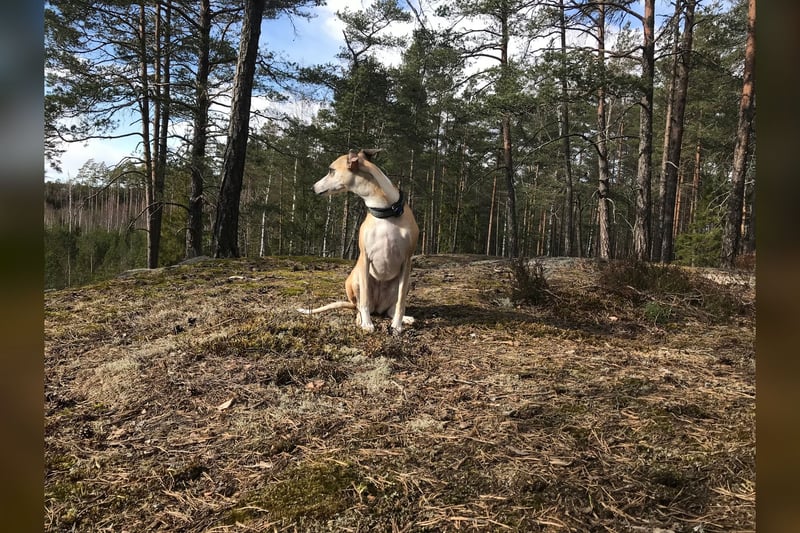
- At what age can I start running with my dog?
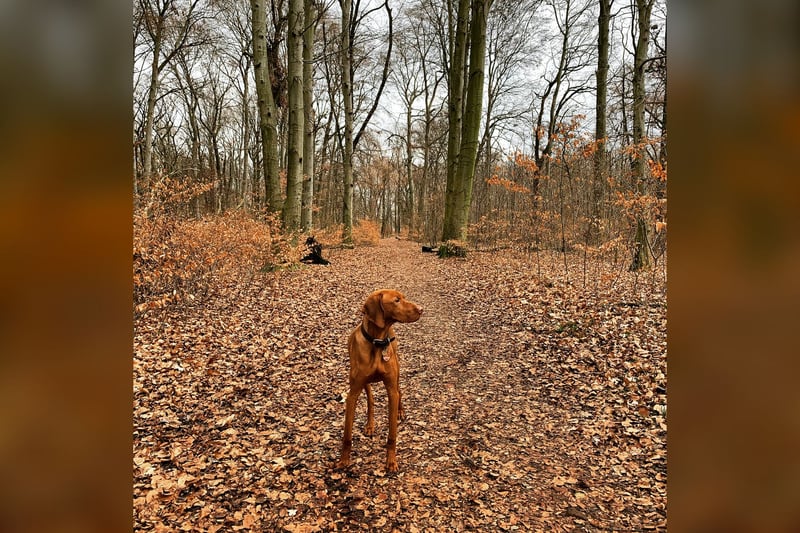
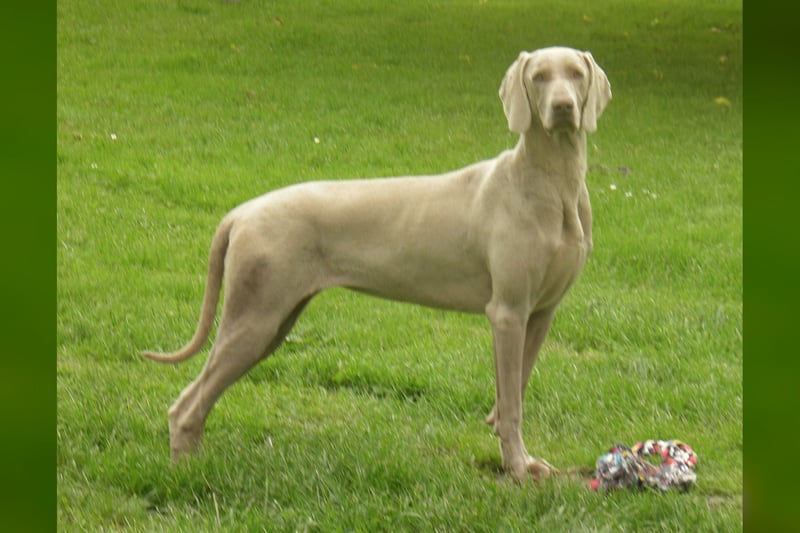
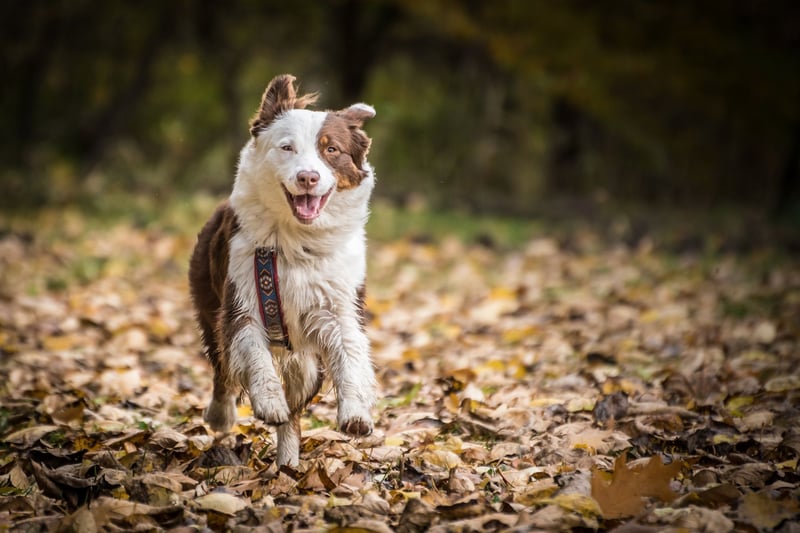
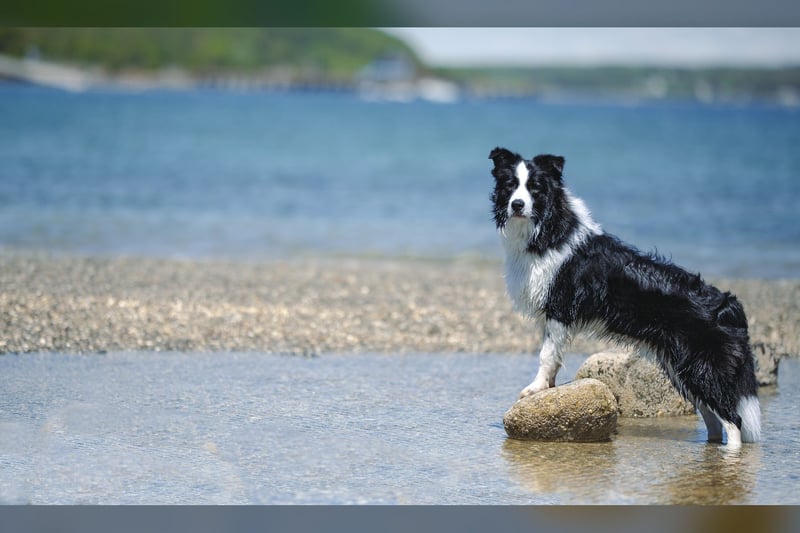
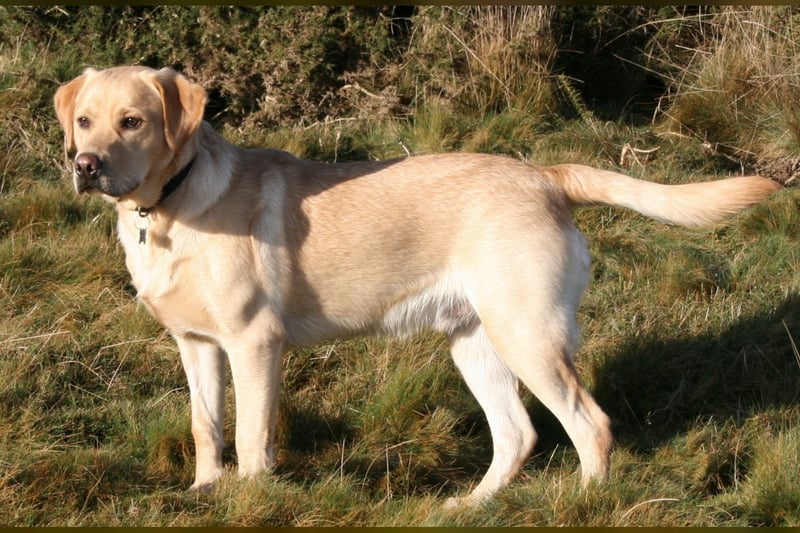
- 18 months minimum for medium breeds (Border Collie, Australian Shepherd, Vizsla), 24 months for large breeds (Weimaraner, Labrador). Before these thresholds, the growth plates aren't closed: repeated impact on road or trail causes micro-injuries that develop into dysplasia. Active walks and free play, on the other hand, are fine from 4-5 months.
- What's the maximum distance a dog can cover per outing?
- A trained adult dog of a sporting breed (Vizsla, Border Collie, Dalmatian) can handle 20-30 km at a moderate pace. In everyday practice, 10-15 km is a healthy outing for a regularly active dog. Progress must be gradual: +10% distance per week maximum. A sedentary dog doesn't start at 10 km — it starts at 3 km.
- Can I do canicross with a Husky in France?
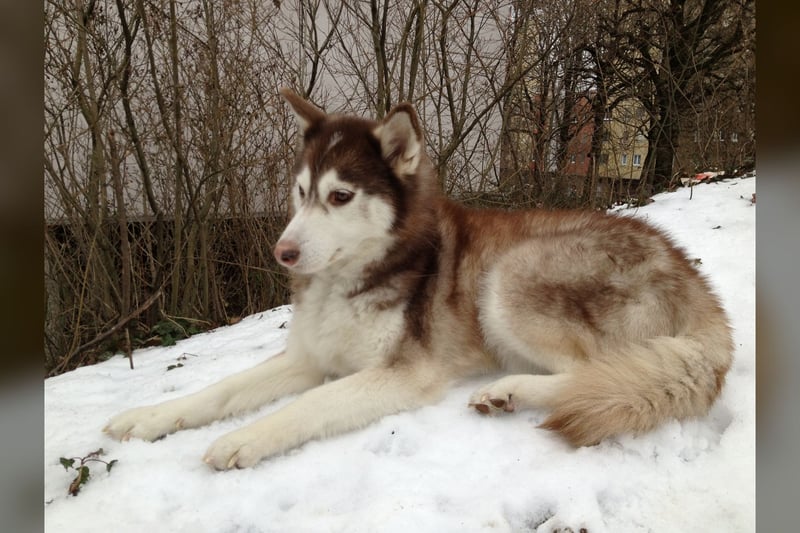
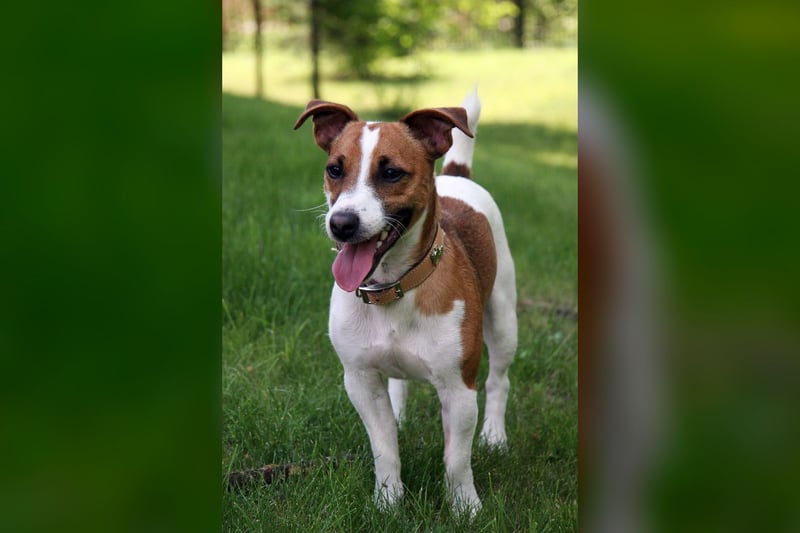
- Yes, but only from November to March, when temperatures stay under 12-15 °C. Above 18 °C, the Husky is at risk of heatstroke under sustained effort — its thermoregulation is optimized for cold. In summer, a Jack Russell Terrier or a Vizsla suits the French climate better. The Husky remains an exceptional canicross dog in winter conditions.
- What basic gear do I need to start canicross?
- Three mandatory items: an ergonomic pulling harness for the dog (Non-stop, Julius-K9 or Hurtta models, 60-100 €), a lumbar belt for the runner (30-60 €), and an elastic tow line of 2-2.5 m that absorbs jolts (20-40 €). Total entry budget: 110-200 €. Collars are banned — a dog's trachea isn't built to take repeated pulling.
- How do I know if my dog is tired during a run?
- Immediate stop signals: excessive panting with the tongue lolling far out, a crab-like gait or stumbling, refusal to keep going, foamy saliva. A dog that slows significantly or seeks out shade should be rested and hydrated. A dog in good condition usually lets you know when it wants to keep going — don't push a dog that's holding back.
- Is the Dalmatian really a good running dog?
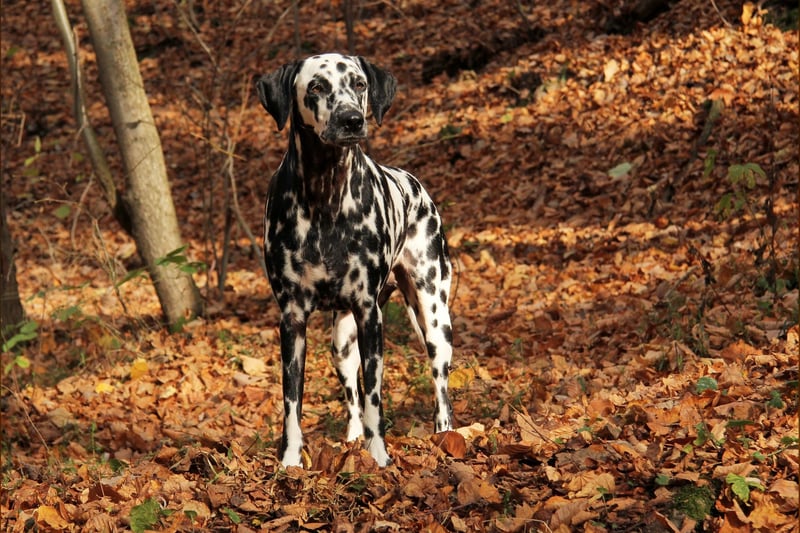
- Yes — the Dalmatian was historically bred to trot long distances alongside carriages, sometimes 30-40 km a day. Its endurance at a moderate pace is remarkable. That said, the breed has a distinctive uric acid metabolism that predisposes it to urate urinary stones: a suitable diet (low in purines), consistent hydration and veterinary monitoring are essential if you run a Dalmatian regularly.