


Whippet
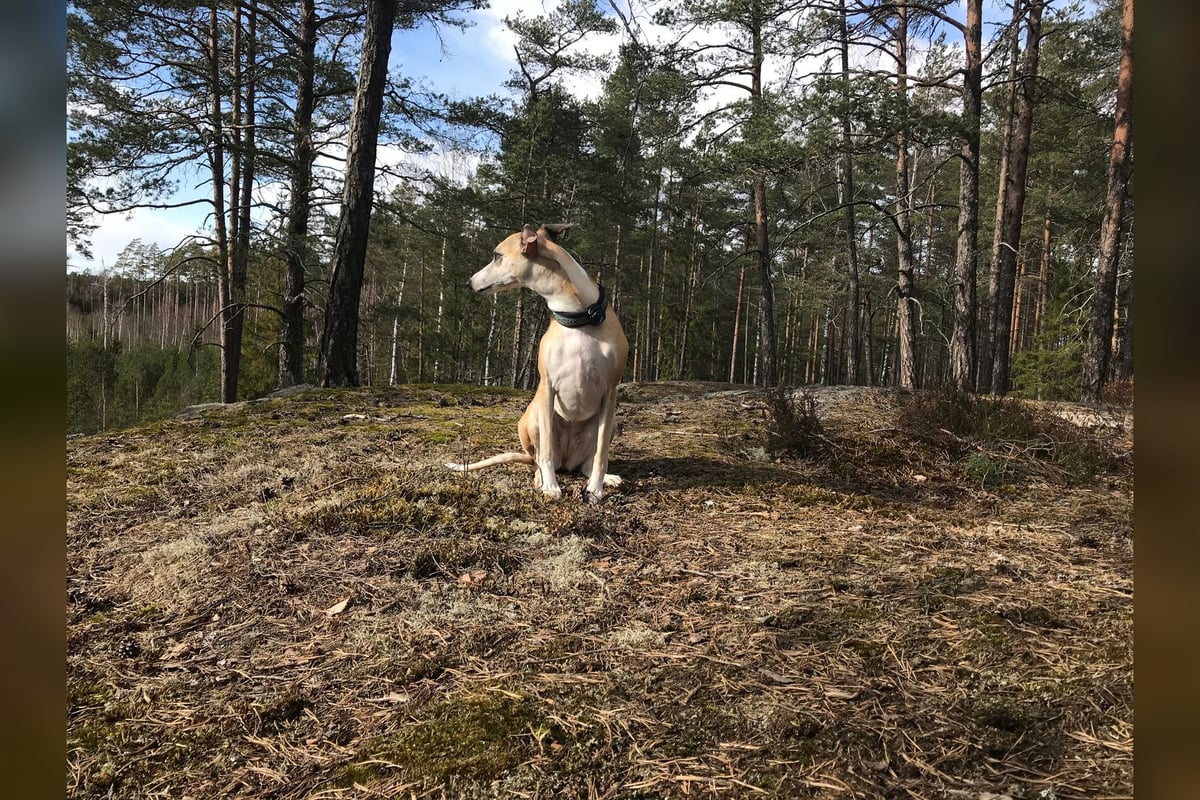
The Whippet is a medium-sized sighthound, classified FCI number 162, originating in northern England in the 18th century. Weighing 10 to 19 kg for 44 to 51 cm at the withers, it reaches 60 km/h at a sprint, making it the fastest dog in the world for its size. In contrast to this explosiveness, it shows calm, unobtrusive behavior indoors.
- Weight
- 10 to 19kg
- Height
- 44 to 51cm
- Life expectancy
- 13years
- Monthly cost
- 60 to 100€
Personality profile
Energy 4/5
Independence 3/5
Trainability 3/5
Good with children 4/5
Barking 2/5
Space needed 3/5
Attachment to home 4/5
Good with strangers 3/5
Good with dogs 4/5
Good with cats 2/5
Coat care 1/5
Exercise needs 4/5
Scores given on measured axes, data confidence: high.
Living with a Whippet
Description
A lean, muscular body shaped like an arc, thin skin, and a short coat, solid-colored or multicolored, with no undercoat. Males 47-51 cm for 12-19 kg, females 44-47 cm for 10-16 kg. Deep chest, pronounced arched loin, long hindquarters with powerful propelling muscles. Near-nonexistent subcutaneous fat makes the breed particularly sensitive to physical impact and low temperatures.

Temperament
Calm indoors, explosive in the field: this duality sets the Whippet apart from other sighthounds. Attached to its family without being intrusive, it rarely barks — among the quietest breeds according to AKC behavioral surveys. Strong chase instinct (a moving target triggers an instinctive pursuit): requires an enclosed garden or a leash in open areas.
Training
Moderate trainability: it cooperates out of affinity rather than hierarchical submission. Positive reinforcement only, short sessions of 10-15 minutes (concentration wanes beyond that). Excellent performance in lure coursing (the FCI's simulated-chase sport) and in sprint agility. Recall is hard to make 100% reliable in unfenced open terrain — never let it off-leash without a fence at least 2 m high.

Feeding
200 to 300 g of premium kibble a day for a 14 kg adult, in 2 meals. Fast metabolism with low fat reserves: watch body condition (palpable but not protruding ribs are the morphological norm for this breed — do not mistake it for underfeeding). Glucosamine supplementation recommended from age 6-7 to prevent joint wear in the hindquarters.
Affiliate links, no extra cost to you. Legal notice

Living conditions
Contrary to common assumptions about sighthounds, it tolerates apartment life if two daily sessions of intense activity (30-45 min each) are guaranteed. A garden or regular access to fenced spaces remains preferable to satisfy its need to sprint. Its thin skin and lack of undercoat make it sensitive to cold: a coat is needed below 8 °C and in rainy conditions.

Grooming and coat care
Minimal upkeep: weekly brushing with a rubber grooming mitt is enough for the short coat. Occasional bath (2-3 times a year) with a mild shampoo. No professional grooming needed. Regular check of the ears and paws after outdoor outings (thin skin means more frequent cuts than in thick-coated breeds).

Health
A robust breed with a life expectancy of 12 to 15 years (median 13 years). Few major hereditary diseases compared with other breeds of similar size. Marked sensitivity to anesthesia: always tell the vet the breed before any procedure. Hypothyroidism and congenital deafness (rarer) reported in the literature. Thin skin calls for increased vigilance against superficial injuries during sporting outings.
Breed history
Originating in the mines and working-class districts of northern England (Yorkshire, Durham) in the 18th century, where miners crossed Greyhounds with terriers to create an affordable racing sighthound nicknamed the "poor man's horse" ("rag dog"). Recognized by the British Kennel Club in 1890, standardized by the FCI under number 162 in Group 10. Track racing between Whippets — with owners releasing their dogs from the starting line — was long a popular working-class sport.
Getting ready for your Whippet
Five essentials to line up before day one.
Affiliate links, no extra cost to you. Legal notice
FAQ: Whippet
Sources
- FCI Standard No 162 — Whippet · FCI breed standard 162, Group 10 Sighthounds, Section 3 Short-haired Sighthounds
- AKC Breed Profile — Whippet · AKC Whippet breed profile, Hound Group
- Centrale Canine — Sighthound LOF Statistics · Société Centrale Canine, LOF registration statistics, Group 10 breeds
FCI, Fédération Cynologique Internationale, the world body that has codified breed standards since 1911. FCI number 162 is assigned to the Whippet.
Breeds similar to a Whippet

