You are already comparing 3 breeds. Remove one to add another.Manage my selection
Dog for hiking: 9 all-terrain, high-endurance breeds
Which dog to take hiking? Australian Shepherd, Labrador Retriever, Vizsla, Swedish Lapphund: endurance on rough terrain, camping, altitude, and gear advice.
Hiking and running share the notion of prolonged physical effort, but the demands are fundamentally different. Running requires a steady pace on flat ground; hiking calls for endurance at a variable pace (5-7 km/h on average), managing elevation gain, adapting to rough terrain — rocks, roots, mud, snowpack — and sometimes several days of effort in partial self-sufficiency.
The selection criteria for hiking are specific: sturdy feet with thick pads and protective hair between the toes (Nordic breeds, setters, retrievers) resist cuts on rocky terrain. A solid frame without excessive joint load is also needed: the St. Bernard and the Bernese Mountain Dog handle moderate hikes well, but their size limits endurance over multiple days. Broad climate tolerance — alpine cold, rain, high-altitude UV — favors breeds with a thick double coat.
Two Scandinavian breeds are consistently underrated for hiking: the Swedish Lapphund and the Finnish Lapponian Dog. Selected for centuries by the Sami people to accompany herding treks over rough Arctic terrain, these dogs have remarkable stamina, cold adaptation, and a sense of direction. Their calm, sociable temperament makes them more versatile around people (herds, other dogs, hikers) than the sled-dog Nordic breeds.
For load carrying, an ergonomic dog backpack (10-15% of the dog's weight, maximum) lets the dog carry water and kibble on 2-3 day outings. Medium-to-large breeds (Labrador Retriever, Golden Retriever, Australian Shepherd) tolerate this light load well from age 2, once bone growth is complete. One last parameter: altitude. Above 2,500 m, partial oxygen pressure drops and effort becomes noticeably more costly — a major watch point for brachycephalic breeds and older dogs.
9 recommended breeds
Every portrait opens the full profile: temperament, living conditions, health, budget
and cited sources.
1
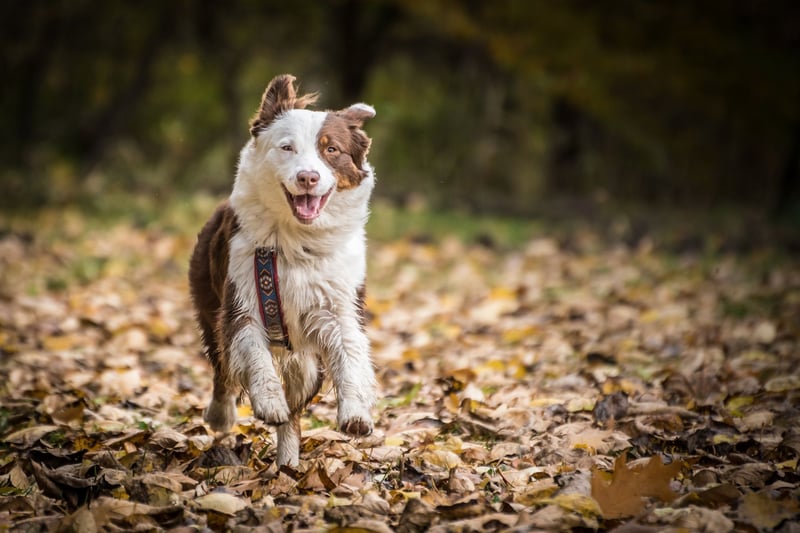
Australian Shepherd
The Australian Shepherd is an American herding dog of 21 to 32 kg, developed in California in the 19th century from Basque herding dogs. Recognized by the FCI under number 342, it combines maximum energy with a high working capacity, and needs 1.5 to 2 hours of daily activity to stay balanced.
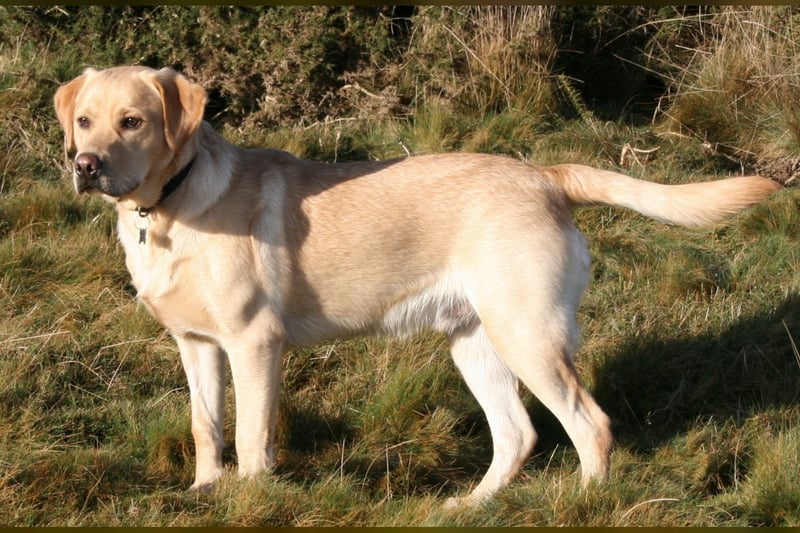
The Labrador Retriever is a retrieving breed of Newfoundland and British origin, weighing 25 to 36 kg. Recognized by the FCI under number 122, it has been the most popular breed in the world for 30+ years (uninterrupted AKC #1 from 1991 to 2022) thanks to its balance of friendliness, high trainability, and versatility (hunting, assistance work, detection, search and rescue).
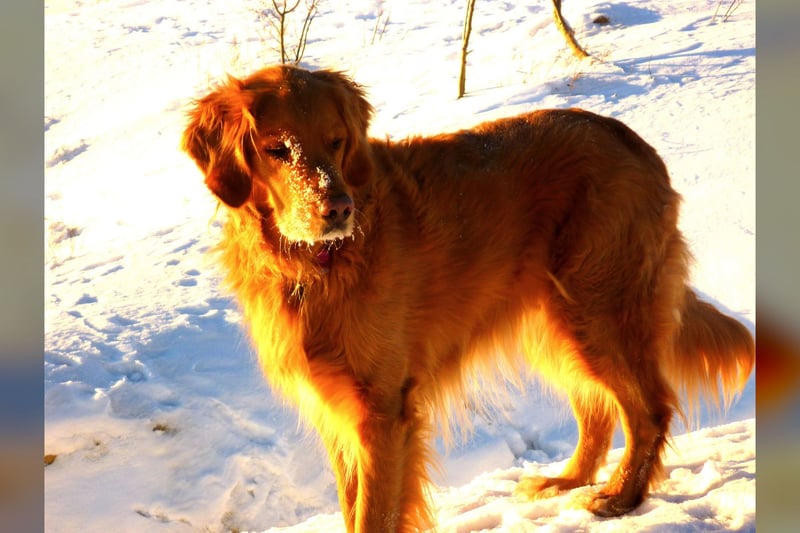
The Golden Retriever is a British retrieving breed of 25 to 34 kg, created in Scotland in the 19th century by Lord Tweedmouth for waterfowl hunting. Recognized by the FCI under number 111, it combines maximum sociability (excellent with strangers, children, and other dogs) with a moderate-to-high exercise need (1 to 1.5 hours a day).
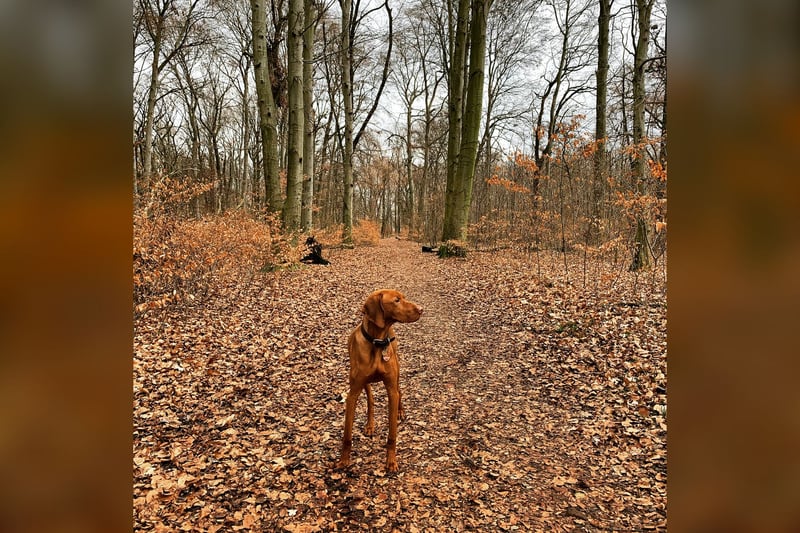
The Vizsla weighs 20 to 30 kg for 54 to 64 cm at the withers — a Hungarian pointing dog with a uniform copper-russet coat, FCI number 57, group 7. A Magyar breed documented as early as the 14th century, it was nearly extinct in 1945, with about 12 purebred dogs recorded after the Second World War. Versatile: it points, retrieves, and tracks blood trails. Life expectancy 12 to 14 years, few major genetic conditions aside from a predisposition to hypothyroidism.
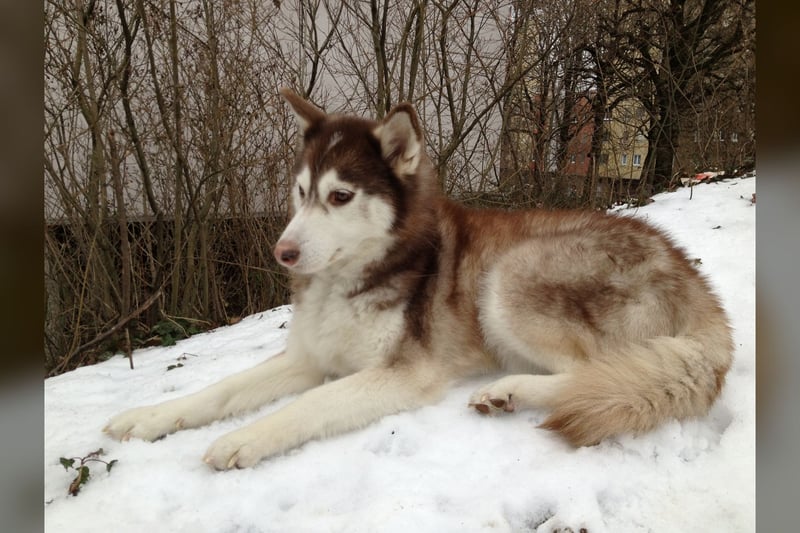
The Siberian Husky is a Nordic sled dog originally from Eastern Siberia, weighing 16 to 28 kg depending on sex. Recognized by the FCI under number 270, it combines extreme endurance (able to run 80-150 km/day in harness), maximum independence (one of the least obedient breeds in the world), and a very pronounced instinct to run off.
The Swedish Lapphund (Svensk Lapphund) is a pastoral spitz developed by the Swedish Sami people to herd reindeer in Scandinavian Lapland, today one of the oldest formally recognized Swedish breeds. Weighing 17 to 21 kg, recognized by the FCI under number 135, it differs from its Finnish cousin through a dominant black coat, lower international spread (~80 LOF registrations/year in France), and a documented genetic predisposition to prcd-type progressive retinal atrophy, requiring systematic DNA testing of breeding dogs.
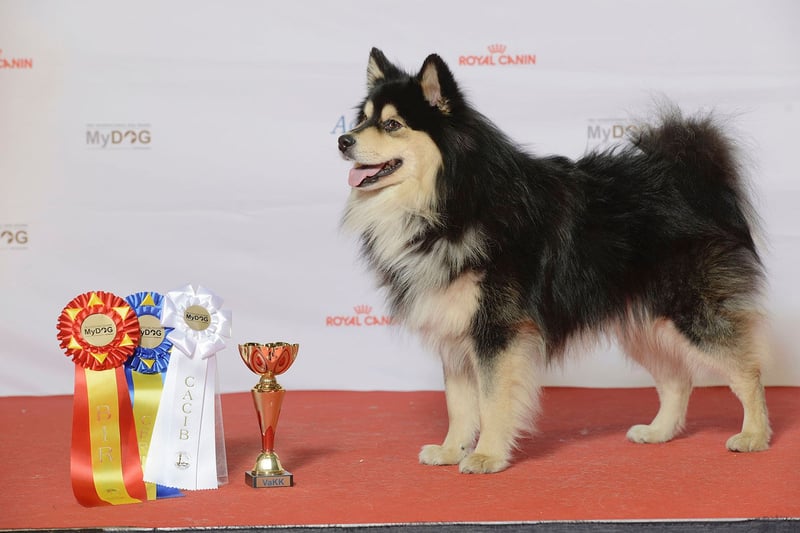
The Finnish Lapponian Dog (Suomenlapinkoira) is a herding spitz selected by the Sami people beyond the Finnish Arctic Circle to drive reindeer herds — not by guarding them like a molossoid, but by actively directing them through barking and movement. Weighing 15 to 24 kg and recognized FCI number 189, it combines a cold tolerance of 5/5 (down to -40 °C) with marked openness toward strangers and higher trainability than other Nordic spitz breeds. The breed nearly disappeared during World War II in Lapland, before being reconstructed starting in 1945.
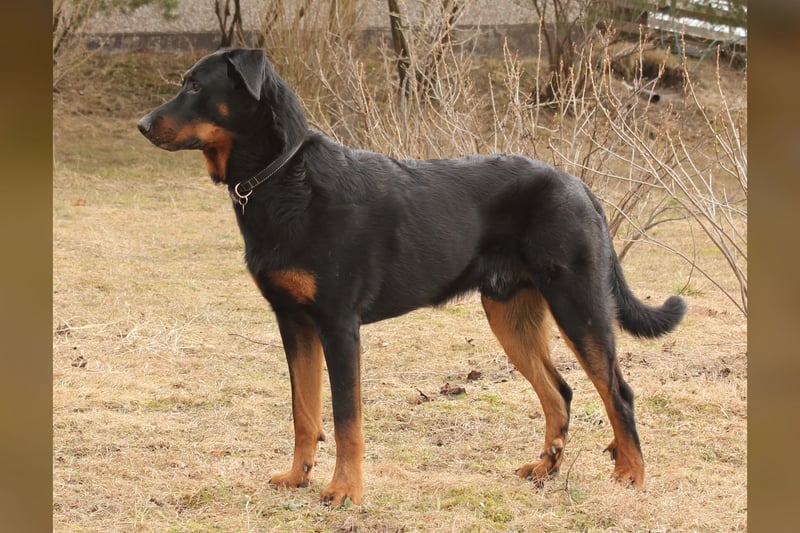
The Beauceron, or Berger de Beauce, is one of the oldest French plains sheepdogs, first mentioned in writing in 1578 in a manuscript on agriculture by Charles Estienne. Recognized by the FCI under number 44 (Group 1), it weighs 30 to 45 kg for 61 to 70 cm. Its double rear dewclaws — two extra toes on each hind leg — are a mandatory feature of the standard, unique among French sheepdogs.
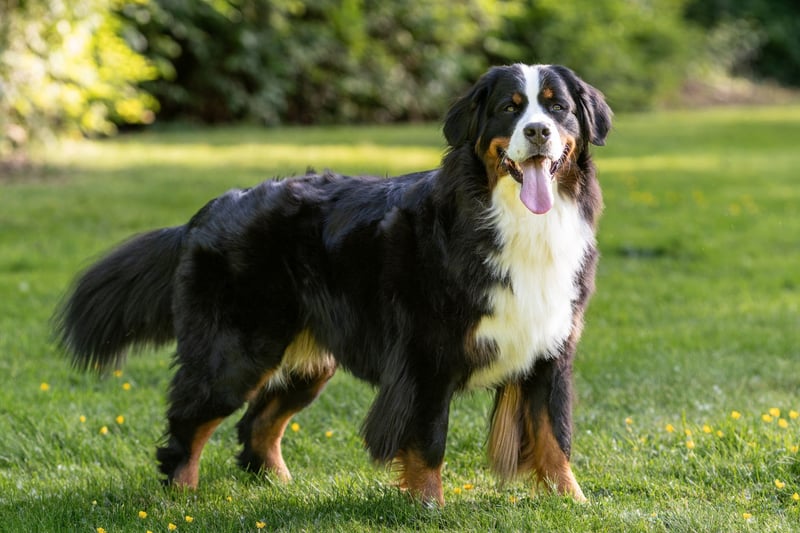
The Bernese Mountain Dog is a Swiss Sennenhund from the canton of Bern, registered in the FCI nomenclature under number 45. It weighs 36 to 50 kg for 58 to 70 cm, with a tricolor black/tan/white coat strictly codified by the standard. Its life expectancy of 7 to 9 years is the shortest of the four Swiss mountain dogs, due to a high prevalence of malignant histiocytosis (25% of causes of death).
Inspect the paw pads after every hike on rocky terrain: cracks, cuts, or grass awns lodged between the toes need immediate treatment to prevent an abscess
Long-coated breeds (Australian Shepherd, Golden Retriever) need a thorough brushing after every hike through forest or moorland — grass awns can work under the skin within hours
Plan for a dog backpack (10-15% of the dog's weight, maximum) for 2-3 day camping trips: water, kibble, a lightweight emergency blanket, and paw-pad balm
Keep leptospirosis vaccination current if the hike crosses wet environments (rivers, ponds, marshland): the bacteria spreads through contact with water or mud contaminated by rodent urine — use the appointment to have the rest of the vaccination record checked too
Reserve altitudes above 2,500 m for adult dogs in peak condition: brachycephalic breeds (Bulldog, Pug), senior dogs, and giant breeds all have their cardiorespiratory system heavily taxed up there
Gradually acclimate the dog to elevation gain: start with outings of 300-400 m of ascent before attempting alpine routes exceeding 1,500 m of ascent in a single day
Frequently asked questions
How far can a dog hike in a day?
A trained, fit adult dog can manage 20-30 km a day on varied terrain, with regular breaks. Over multiple days, 15-20 km per leg is a reasonable estimate to avoid cumulative fatigue. Nordic breeds (Husky, Lapphund) and setters/retrievers have more stamina than giant breeds. Always let the dog set the pace — it will slow down on its own if overworked.
Can you camp overnight in the mountains with a dog?
Yes, under certain conditions. Check the rules of the national park or nature reserve beforehand (some areas ban dogs or require a leash). Bring a light blanket or an insulating mat if nights drop below 5 °C, enough water — scout the route's water sources and carry a reserve for stretches without one — and calorie-dense food. Dog sleeping bags exist but remain optional for double-coated breeds.
Harness or collar for hiking?
Harness for technical hikes with elevation gain or rocky sections: it spreads pulling forces across the chest and avoids straining the neck vertebrae on climbs. A collar remains acceptable for forest walks on flat ground. For via ferrata sections or steep areas, a short lead attached to the harness gives precise control without hurting the dog.
Can you take an old dog hiking?
Yes, with adjustments. A fit 8-10 year old dog can continue moderate hikes (10-15 km, limited elevation gain). Cut distance by 20-30% compared with its peak fitness, and avoid terrain that's hard on the joints and extreme temperatures. An annual vet check-up including a joint assessment is recommended for active dogs past age 7. Signs of fatigue set in faster — watch its gait and behavior.
How do you handle meeting a Pyrenean Mountain Dog (livestock guardian) on alpine pasture?
Leash your dog before you even spot the herd — at least 300-400 m out. Give the herd a wide berth if possible. If a livestock guardian dog approaches, stay calm, don't run, keep your dog close, and adopt a relaxed posture. Never step between a guardian dog and its herd. Most incidents happen because the hiking dog approaches the herd freely — the problem is often avoidable with a long leash or a solid recall.
Is the Swedish Lapphund really a good hiking dog?
Very good, and often overlooked in favor of the retrievers or the Australian Shepherd. The Swedish Lapphund was selected for centuries to accompany the Sami people over rough Arctic terrain in every season. Its thick double coat protects it from cold and damp, its compact paws handle rocks and snow well, and its temperament is calm and sociable. Less well known in France than the Husky, it's far more versatile in a family setting and in temperate mountain terrain.