DogMatch My selection FR

Easy-to-train dog: 9 breeds for beginners

First-time adoption? Discover 9 motivated, biddable breeds for learning dog training without frustration, with the real criteria behind trainability.

  1. 1 Medium Poodle
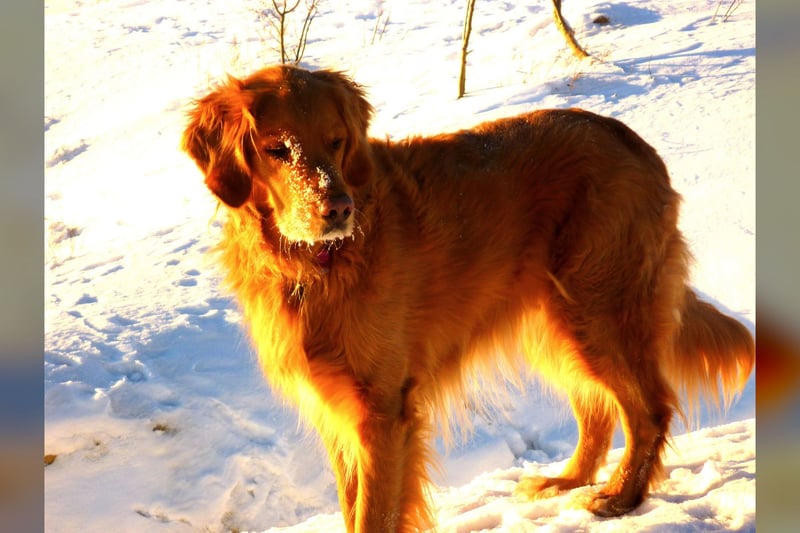
  2. 2 Golden Retriever
  3. 3 Labrador Retriever
  4. 4 Cavalier King Charles Spaniel
  5. 5 Havanese
  6. 6 Bichon Frise
  7. 7 Beagle
  8. 8 English Cocker Spaniel
  9. 9 Coton de Tulear

Calling a dog "easy to train" is a shorthand that hides four quite distinct realities. First factor: motivation. Some breeds work for food (Labrador Retriever, Golden Retriever, Poodle) — they'll run through repetitions as long as a reward keeps coming. Others are more toy-driven (Border Collie, Malinois). A food-motivated dog forgives a beginner's timing mistakes, whereas a dog with little interest in food quickly gives up on cooperating. Second factor: sensitivity to positive reinforcement. The Cavalier King Charles Spaniel responds to a calm voice and petting just as it would to a treat. This emotional sensitivity makes training go smoothly even without technical perfection on the owner's part. Third factor: raw learning ability. In 1994, Stanley Coren published a ranking based on the number of repetitions needed to pick up a new command: the top breeds grasp it in under 5 tries, while the least receptive to this type of exercise need 80 to 100. The Poodle and the Labrador Retriever also sit near the top of this ranking — they learn fast, without demanding the expert-level structure a Border Collie needs. Fourth factor: independence. An independent dog, even a very intelligent one, chooses not to obey if it judges the situation more interesting otherwise. The Siberian Husky is the perfect example: real intelligence, but its northern instinct takes priority over a human request. For a first-time dog owner, the winning combination is therefore: motivated breed + strong attachment to the owner + low independence. The Medium Poodle checks all three boxes. The Border Collie checks one (intelligence) but misses the other two for a beginner: it needs a structured framework that a novice can't yet provide, which systematically ends in frustration on both sides.

9 recommended breeds

Every portrait opens the full profile: temperament, living conditions, health, budget and cited sources.

Medium Poodle

1

Medium Poodle

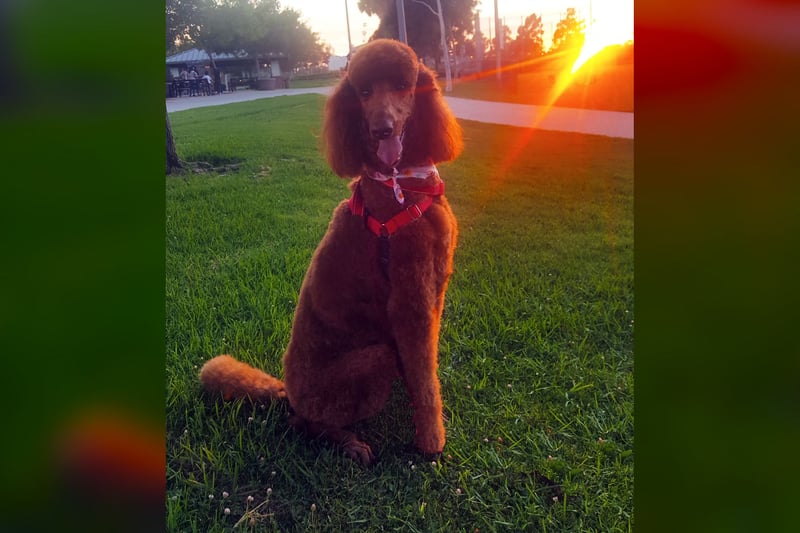
The Medium Poodle is the third-largest of the four FCI 172 Poodle varieties by size: height at the withers 35 to 45 cm, weight 9 to 15 kg. A traditional French variety, the least exported of the four: in the United States and the United Kingdom, the market is dominated by the Toy, the Miniature and the Standard. A curly, non-shedding, hypoallergenic coat. Life expectancy 13 to 15 years. Versatile in agility and obedience, predisposed to mild hip dysplasia and progressive retinal atrophy.

9 to 15 kg 14 years
See the profile
Golden Retriever

2

Golden Retriever

The Golden Retriever is a British retrieving breed of 25 to 34 kg, created in Scotland in the 19th century by Lord Tweedmouth for waterfowl hunting. Recognized by the FCI under number 111, it combines maximum sociability (excellent with strangers, children, and other dogs) with a moderate-to-high exercise need (1 to 1.5 hours a day).

25 to 34 kg 12 years
See the profile
Labrador Retriever

3

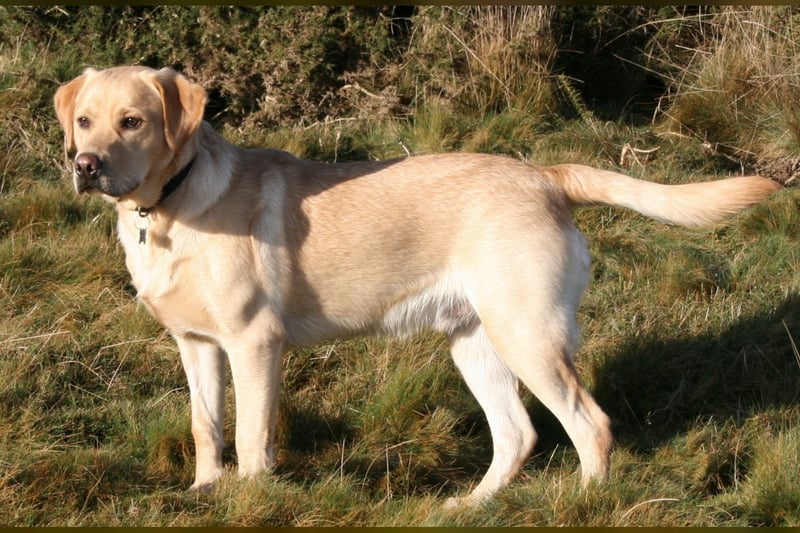
Labrador Retriever

The Labrador Retriever is a retrieving breed of Newfoundland and British origin, weighing 25 to 36 kg. Recognized by the FCI under number 122, it has been the most popular breed in the world for 30+ years (uninterrupted AKC #1 from 1991 to 2022) thanks to its balance of friendliness, high trainability, and versatility (hunting, assistance work, detection, search and rescue).

25 to 36 kg 11 years
See the profile
Cavalier King Charles Spaniel

4

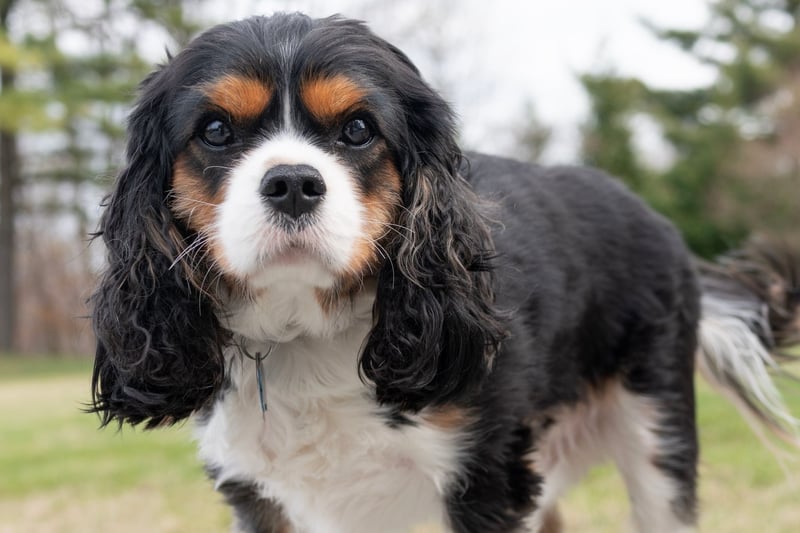
Cavalier King Charles Spaniel

The Cavalier King Charles Spaniel is a British toy spaniel reconstituted in the 1920s, weighing 5.4 to 8.2 kg at 30 to 33 cm at the withers. Recognized FCI number 136, it combines an extreme velcro attitude — it is one of the breeds most prone to separation anxiety — with a median life expectancy shortened to 10-11 years due to hereditary mitral valve disease, which affects 100% of individuals past age 10.

5.4 to 8.2 kg 11 years
See the profile
Havanese

5

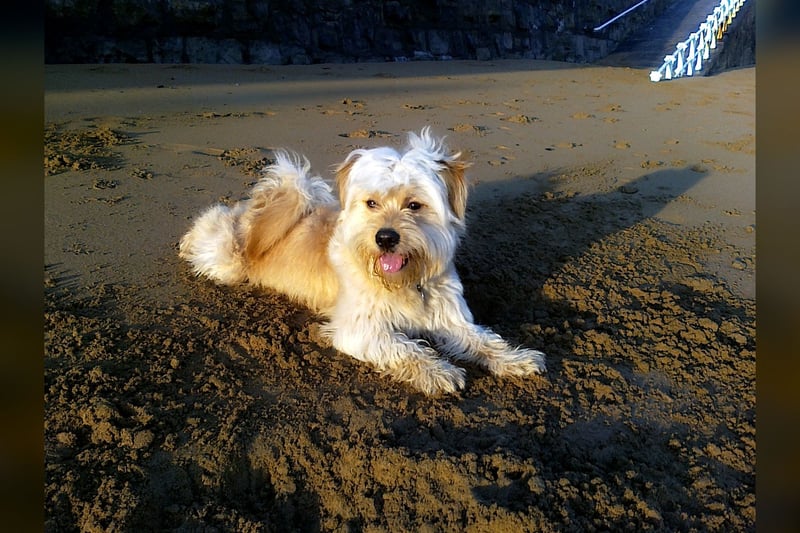
Havanese

The Havanese is the only dog breed native to Cuba, recognized by the FCI under number 250, Group 9 Section 1. Weight 3 to 7 kg for 21 to 29 cm at the withers, with a long coat of 12 to 18 cm, silky, flat or wavy, non-matting — a trait that classifies it as hypoallergenic. Life expectancy of 14 to 16 years, among the longest of the toy breeds. Known predispositions: patellar luxation, hip dysplasia, deafness in dogs with an all-white coat.

3 to 7 kg 15 years
See the profile
Bichon Frise

6

Bichon Frise

The Bichon Frise is a companion dog of 5 to 10 kg for 25 to 30 cm at the withers, recognized by the FCI under number 215, Group 9, Section 1. White, curly coat with a corkscrew texture and near-zero shedding — classified as hypoallergenic. A breed of Mediterranean origin popularized by European courts in the 16th-17th centuries. Life expectancy of 12 to 15 years. Predisposed to patellar luxation, atopic skin allergies, Cushing's syndrome, and hip dysplasia.

5 to 10 kg 13 years
See the profile
Beagle

7

Beagle

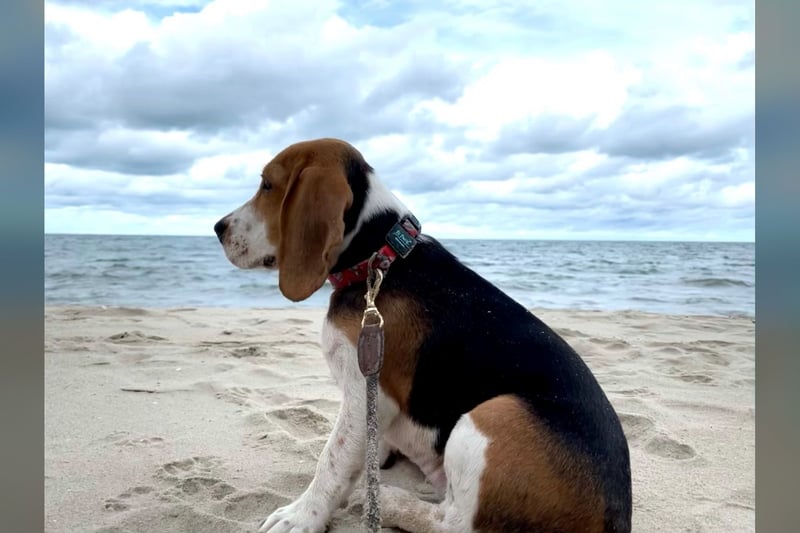
The Beagle is a British scent hound weighing 12 to 17 kg, bred for pack hunting of hare since the 14th century. Recognized by the FCI under number 161, it combines maximum sociability (with people and dogs) with marked olfactory independence — it follows any scent trail and goes deaf to recall.

12 to 17 kg 12 years
See the profile
English Cocker Spaniel

8

English Cocker Spaniel

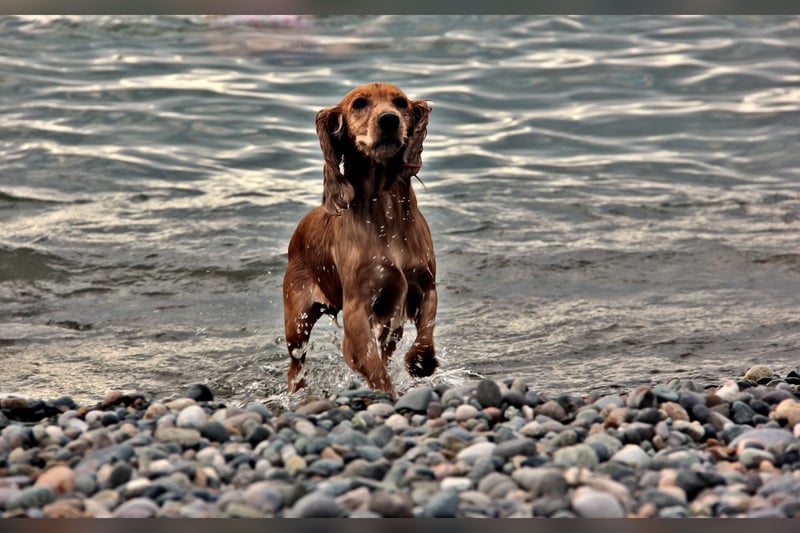
The English Cocker Spaniel weighs 12 to 16 kg for 38 to 41 cm at the withers — noticeably larger than its American cousin. A hunting spaniel breed selected in the United Kingdom in the 19th century to flush and retrieve woodcock ('cocking'). Recognized by the FCI under number 5, Group 8. Life expectancy 12 to 14 years. Solid-colored individuals (solid red, solid black) are predisposed to 'rage syndrome': unpredictable episodes of idiopathic aggression documented since the 1970s.

12 to 16 kg 13 years
See the profile
Coton de Tulear

9

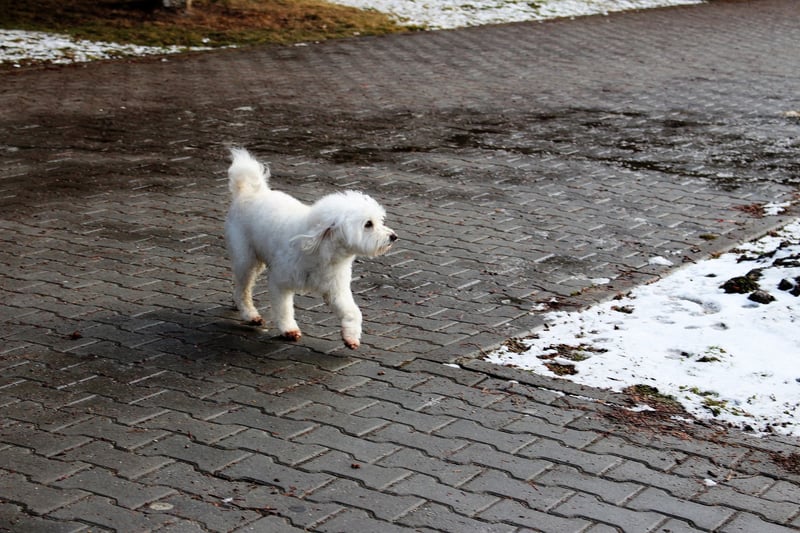
Coton de Tulear

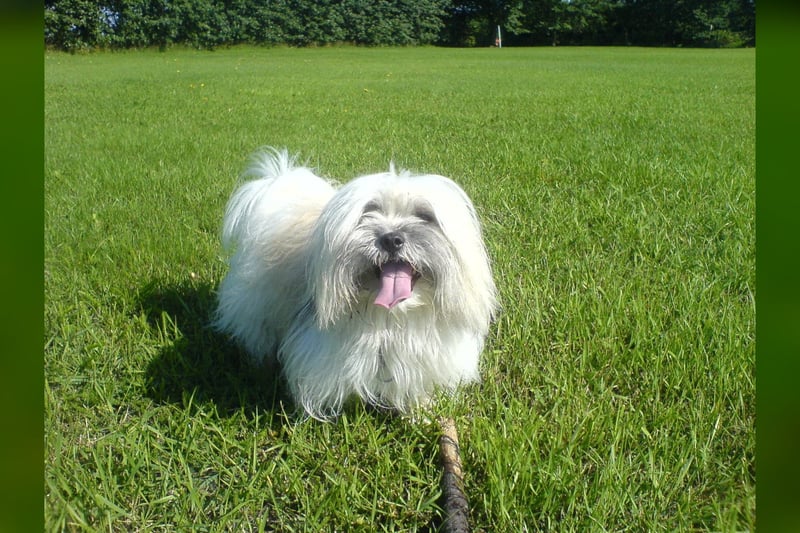
The Coton de Tulear is a Malagasy breed native to the port of Tulear (now Toliara), recognized by the FCI under number 283, Group 9 Section 1, with France as the patron country since 1970. Weight 3.5 to 7 kg for 22 to 30 cm at the withers. Its white cottony coat, with a texture unique in the world — comparable to raw cotton — gives the breed its name and its hypoallergenic status. A hardy breed with a low prevalence of severe genetic pathologies, life expectancy 14 to 16 years. Progressive retinal atrophy (PRA) documented.

3.5 to 7 kg 15 years
See the profile

Practical advice

  • Use positive reinforcement exclusively (treats, play, voice) — coercive methods break trust and make training harder, not faster
  • Favor short 5- to 10-minute sessions repeated 3 to 4 times a day rather than one straight hour, which exhausts the dog's attention
  • Enroll the puppy in puppy class as soon as it arrives and up to 16 weeks: this is the decisive window for socialization, and clubs post their group-class rates — compare the ones in your area before committing
  • The Medium Poodle is the top choice for a first-time owner: fast learner, low shedding, robust health, and forgiving of beginner mistakes
  • Avoid the Border Collie despite its reputation for intelligence — it demands a level of commitment and consistency most beginners don't have yet; save it for your second dog

Frequently asked questions

Poodle or Golden Retriever for a first adoption?
The Medium Poodle is slightly preferable for an urban or apartment-based beginner: it sheds almost nothing, ranks near the top of Coren's trainability list, and adapts well to a moderate activity pace. The Golden Retriever suits better if you have a yard and children — it's physically more robust but needs more daily exercise (1.5 hours minimum).
How long before a reliable recall?
For the breeds listed here, a solid recall in a calm environment is achieved with 4 to 8 weeks of daily work. In a distracting environment (a park, another dog), plan on 4 to 6 months of regular practice. Recall is never permanently mastered — it's maintained through reinforcement sessions throughout the dog's life.
Is a dog trainer essential for a beginner?
Not essential, but strongly recommended for the first 3 months. A professional dog trainer teaches you reinforcement timing, reading stress signals, and handling the unexpected. Without that grounding, beginner mistakes can set bad habits that are hard to correct later. Plan on 1 to 2 group classes a week at puppy school.
Is a breed known for being intelligent necessarily suited to a beginner?
No. Intelligence and biddability are two independent dimensions. The Border Collie, the Belgian Shepherd Dog (Malinois), and the Australian Shepherd are among the most intelligent breeds, but their energy level, need for mental stimulation, and sensitivity to stress make them demanding. A beginner without enough experience or time risks being overwhelmed. Favor breeds that are biddable AND motivated rather than simply intelligent.
Is it better to train your dog at home or at a club?
The two complement each other. The club (puppy school, group classes) provides socialization with other dogs and people, essential before 6 months. At home, you reinforce what's been learned in your actual environment. Apps and YouTube videos can help, but they don't replace the real-time feedback of a trainer observing your specific dog.
At what age can training begin?
As soon as the dog arrives home, typically at 8 weeks. The first few weeks are mainly for building trust and routines (name, sit, down, housetraining). More structured formal learning effectively starts around 10-12 weeks. There's no upper limit: an adult dog adopted from a shelter can learn at any age, adapting methods to its history.
Sources